

TB-500 Therapy in Miami
Systemic tissue repair, inflammation reduction, and accelerated recovery with TB-500 — a synthetic form of thymosin beta-4 that circulates throughout the body to find and heal damaged tissue, prescribed at Rewind Anti-Aging of Miami.
What Is TB-500?
TB-500 is a synthetic peptide based on the active region of thymosin beta-4 (TB4), a naturally occurring 43-amino acid protein found in virtually all human and animal cells. Thymosin beta-4 was originally identified in the thymus gland — the immune organ responsible for T-cell maturation — but has since been found in high concentrations at sites of tissue damage throughout the body, where it plays a central role in the healing and repair process.
What makes TB-500 unique among healing peptides is its systemic action — unlike BPC-157, which works best when injected near a specific injury site, TB-500 circulates throughout the entire body after injection, seeking out areas of inflammation and tissue damage wherever they exist. Learn more about what peptide therapy is and how these compounds support healing.
How TB-500 Works
TB-500's healing capabilities operate systemically rather than locally, with several interconnected mechanisms working throughout the body.
Cell Migration
Upregulates actin — a key cytoskeletal protein — increasing cellular motility so healing cells (including stem cells and endothelial cells) reach damaged tissue more quickly and efficiently.
Angiogenesis
Promotes new blood vessel growth in damaged tissue, ensuring that healing resources and adequate blood supply reach the injury site for long-term tissue health.
Inflammation Reduction
Modulates inflammatory pathways, reducing excessive inflammation without suppressing the acute response needed for initial repair — especially valuable for chronic conditions.
Scar Tissue Reduction
Promotes more organized collagen deposition and tissue remodeling, supporting cleaner, more functional healing with less fibrosis and scarring.
What TB-500 Is Used For
TB-500's systemic action makes it uniquely suited for conditions requiring whole-body healing support — from targeted musculoskeletal injuries to broad inflammatory conditions.
Musculoskeletal Injuries
Tendinitis, tendinopathy, muscle strains and tears, ligament sprains, chronic joint inflammation, rotator cuff injuries, plantar fasciitis, and general overuse injuries. Systemic action is especially valuable for patients with multiple injury sites.
Post-Surgical Recovery
Combined effects on cell migration, angiogenesis, inflammation reduction, and scar tissue minimization make TB-500 a valuable adjunct to post-surgical healing from orthopedic, abdominal, or other procedures.
Chronic Inflammation
For systemic inflammation from autoimmune conditions, chronic overtraining, metabolic dysfunction, or age-related inflammatory processes — TB-500 provides broad, whole-body support that localized treatments cannot match.
Hair Regrowth Support
Emerging research shows thymosin beta-4 promotes migration and differentiation of hair follicle stem cells. Not the primary indication, but some patients report improved hair thickness as a secondary benefit.
BPC-157 + TB-500: Comprehensive Tissue Healing
One of the most effective peptide protocols in regenerative medicine combines TB-500 with BPC-157. These two peptides work through complementary mechanisms that provide comprehensive tissue healing:
BPC-157 (Localized Repair)
Injected near the specific injury site. Concentrates healing effects locally through angiogenesis, growth factor expression, and targeted tissue repair.
TB-500 (Systemic Support)
Injected anywhere in the body. Circulates systemically, reducing inflammation throughout the body, promoting cell migration to all damaged sites, and supporting whole-body repair.
This combination is the most aggressive non-surgical tissue-healing protocol available and is particularly popular among athletes recovering from training injuries, patients with multiple injury sites, post-surgical patients, and those with chronic, treatment-resistant musculoskeletal conditions.
How TB-500 Is Administered
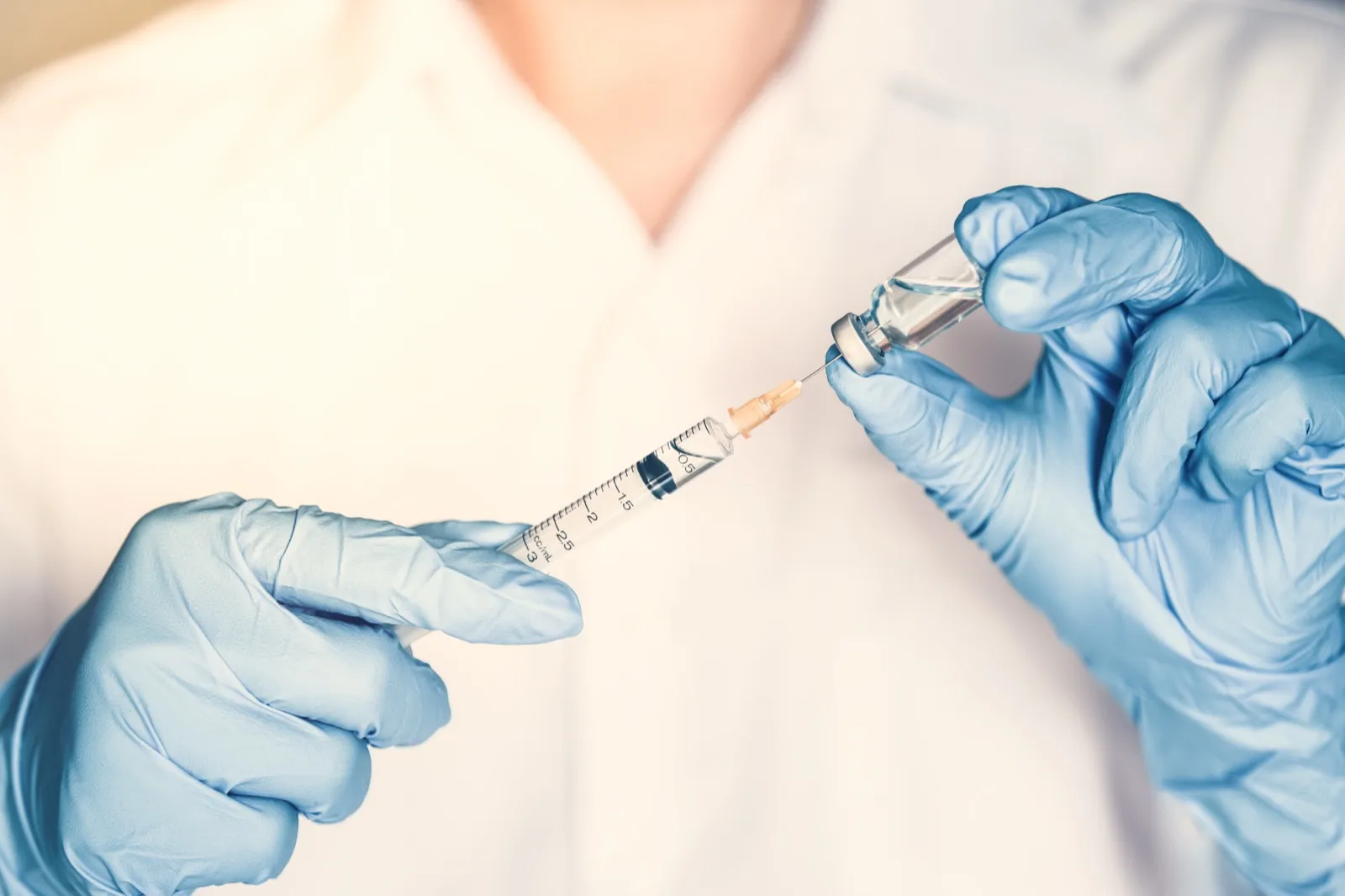
TB-500 is administered via subcutaneous injection using a small insulin-type syringe. Because it works systemically, it does not need to be injected near the injury site.
Subcutaneous — any convenient location (abdomen, thigh, upper arm)
Typically twice per week (e.g., Monday and Thursday)
Higher doses during the first 2-4 weeks to rapidly build therapeutic levels
Reduced dosing for the remaining weeks of the protocol
4-8 weeks depending on condition, with regular reassessment
Side Effects
TB-500 has a favorable safety profile with minimal reported side effects.
- Injection site irritation — Mild redness or tenderness at the injection site. Most commonly reported, typically resolving quickly.
- Headache — Occasional, usually mild and transient.
- Fatigue — Some patients report mild fatigue in the first few days as the body activates repair processes. Typically resolves.
- Lightheadedness — Rare, mild, and short-lived when reported.
No significant organ toxicity or serious adverse events have been documented at standard therapeutic doses. As with BPC-157 and other peptides with angiogenic properties, patients with active cancer should consult their oncologist before use.
Related Treatments
BPC-157 Therapy
Body Protection Compound peptide for targeted injury healing, gut repair, and accelerated tissue recovery.
Learn more →Sermorelin Therapy
Growth hormone-releasing peptide that stimulates your pituitary gland to naturally increase HGH production.
Learn more →Peptide Therapy
Explore our full suite of therapeutic peptides for anti-aging, recovery, and performance optimization.
Learn more →Explore Peptide Therapy
Frequently Asked Questions About TB-500
What is the difference between TB-500 and BPC-157?
Both are tissue-healing peptides, but they work through different mechanisms and scopes. BPC-157 works best locally — injected near the injury site, it concentrates its healing effects at that specific location through angiogenesis, growth factor expression, and anti-inflammatory activity. TB-500 works systemically — once injected anywhere in the body, it circulates and seeks out areas of inflammation and tissue damage throughout the entire body. TB-500 promotes cell migration, reduces inflammation broadly, and supports tissue repair at a systemic level. This is why the two peptides are frequently combined: BPC-157 for targeted local repair plus TB-500 for systemic support.
How is TB-500 administered?
TB-500 is administered via subcutaneous injection, typically twice per week. The injection uses a small insulin-type syringe and is given into the subcutaneous fat layer — commonly in the abdomen or thigh. Unlike BPC-157, TB-500 does not need to be injected near the injury site because it works systemically. You can inject in any convenient subcutaneous location and the peptide will circulate throughout the body to reach areas of damage and inflammation.
How long does a TB-500 treatment protocol last?
A typical TB-500 protocol runs 4 to 8 weeks depending on the condition being treated. The first 2 to 4 weeks are often a loading phase with higher doses, followed by a maintenance phase at a reduced dose. Acute injuries may respond within 4 to 6 weeks, while chronic conditions, systemic inflammation, or post-surgical recovery may require the full 8-week protocol or longer. Your provider will determine the appropriate duration based on your response and healing progress.
Can TB-500 help with hair loss?
There is emerging evidence and clinical anecdote suggesting that TB-500 may support hair regrowth. Thymosin beta-4 has been shown to promote the migration of hair follicle stem cells and stimulate new hair follicle formation in preclinical studies. Some patients report improved hair thickness and regrowth when using TB-500, particularly in combination with other hair-support treatments. While this is not its primary indication, it is a promising secondary benefit that we discuss with interested patients.
Is TB-500 safe?
TB-500 has a favorable safety profile based on clinical use and preclinical research. Side effects are minimal — the most commonly reported are mild injection site irritation, occasional headache, and transient fatigue in the first few days of treatment. No significant organ toxicity or serious adverse effects have been documented at therapeutic doses. As with all peptides, TB-500 should be used under medical supervision. Patients with active cancer should consult their oncologist before use, as TB-500's tissue-growth and angiogenic properties could theoretically be contraindicated in the setting of active malignancy.
Can I use TB-500 and BPC-157 at the same time?
Yes, and this is one of the most popular and effective peptide stacks in regenerative medicine. The combination provides both localized repair (BPC-157 injected near the injury) and systemic healing support (TB-500 injected anywhere for whole-body circulation). Together, they address tissue damage from two complementary directions — targeted local repair plus broad systemic anti-inflammation and cell migration. This stack is particularly popular among athletes, patients with multiple injury sites, and anyone recovering from surgery.
Heal Systemically with TB-500
Whether you are recovering from an injury, surgery, or chronic inflammation, TB-500 delivers systemic repair support throughout your body. Schedule a consultation to discuss your healing goals.
⚕ Medical Disclaimer
The information on this page is for educational purposes only and does not constitute medical advice, diagnosis, or treatment. All treatments at Rewind Anti-Aging of Miami are performed under the supervision of licensed medical professionals. Individual results may vary. Consult your physician before beginning any new treatment protocol.
Meet our clinical team →Areas We Serve in Miami & South Florida
Our clinic at 24 NW 29th Street is in Wynwood & Midtown, minutes from Edgewater and Brickell. We also care for patients across Coral Gables, Aventura, Key Biscayne, and Doral — plus the entire state of Florida via telehealth.