

Female Hormone Replacement Therapy
Personalized bioidentical hormone therapy for women navigating perimenopause, menopause, and hormonal imbalance. Restore your energy, mood, sleep, and quality of life with evidence-based treatment guided by comprehensive bloodwork.
What Is Female Hormone Replacement Therapy?
Female hormone replacement therapy (HRT) restores the hormones that decline as women age — primarily estrogen, progesterone, and testosterone. This decline accelerates during perimenopause and continues after menopause, when the ovaries significantly reduce or cease hormone production.
At Rewind Anti-Aging of Miami, we use bioidentical hormones — molecularly identical to what your body naturally produces. Unlike synthetic hormones such as conjugated equine estrogens or medroxyprogesterone acetate, bioidentical hormones are recognized by your body's receptors exactly as your own hormones would be. Many women are surprised to learn that women can take testosterone as part of a comprehensive HRT protocol.
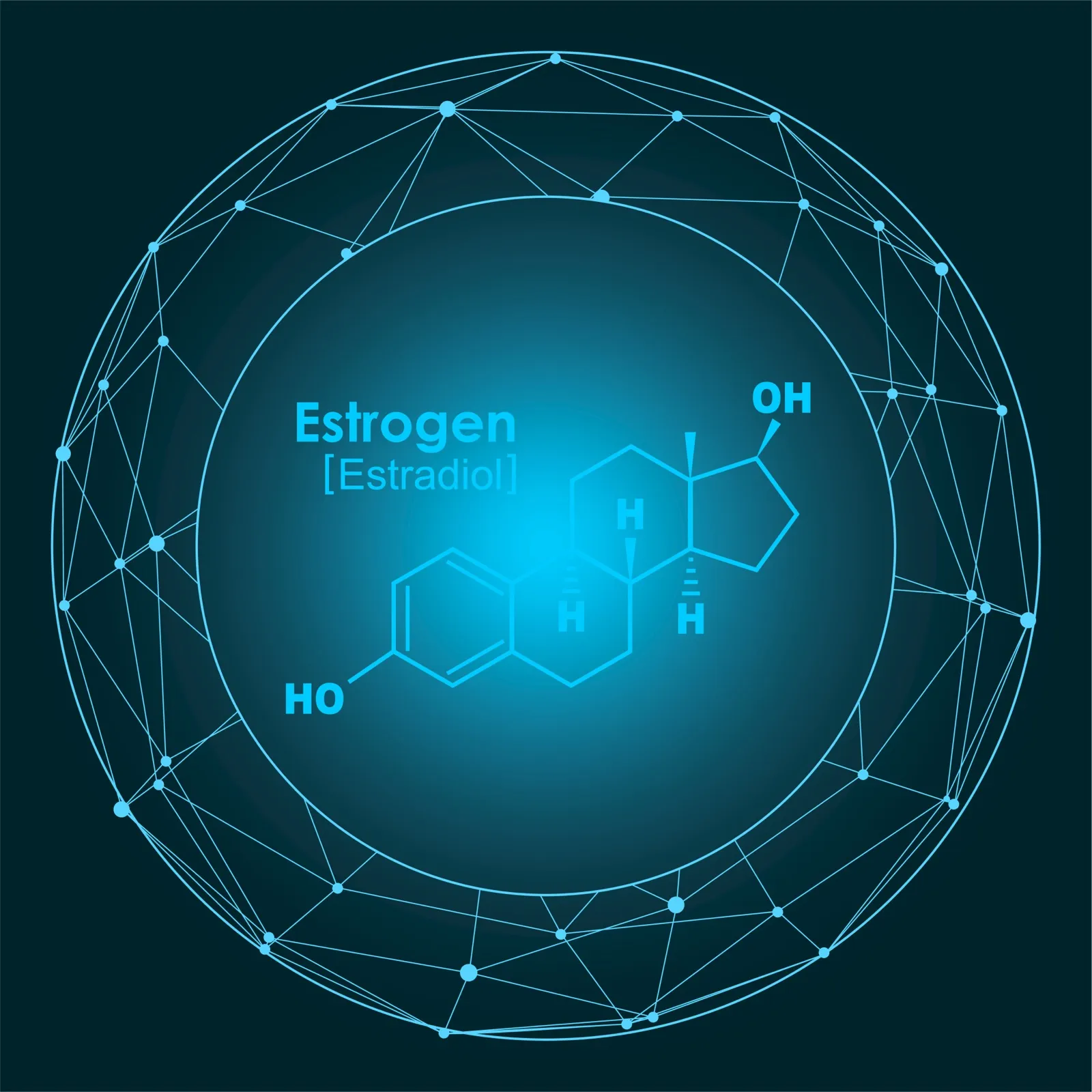
Core Hormones in Female HRT
Each plays a distinct role in your health and well-being. We address all three for complete hormonal balance.
Bioidentical Estradiol
The primary female estrogen. Delivered transdermally (patches, creams) or as pellets to relieve hot flashes, protect bone density, support cardiovascular health, and maintain skin elasticity, vaginal health, and cognitive function.
Micronized Progesterone
Essential for women with an intact uterus to protect the endometrial lining. Also promotes sleep, reduces anxiety, and has a calming effect on the nervous system. Taken orally at bedtime, it doubles as a natural sleep aid.
Low-Dose Testosterone
Women produce testosterone naturally, and its decline contributes to fatigue, low libido, brain fog, and muscle loss. Low-dose replacement restores energy, sexual desire, mental clarity, and lean body mass without masculinizing effects.
Menopause and Perimenopause
Menopause is defined as the permanent cessation of menstruation — confirmed after 12 consecutive months without a period. The average age is 51, but it can occur between 40 and 58. Perimenopause is the transitional phase beginning in your mid-40s, where hormone levels fluctuate unpredictably.
These are not symptoms you need to endure. They are the predictable result of hormonal decline, and they respond to hormonal restoration.
Hot flashes and night sweats
Experienced by up to 80% of menopausal women, caused by estrogen withdrawal affecting the hypothalamic thermoregulatory center
Sleep disruption
Difficulty falling asleep, frequent waking, non-restorative sleep, often compounded by night sweats
Mood changes
Increased anxiety, irritability, depressive episodes linked to fluctuating estrogen and declining progesterone
Low libido
Declining testosterone and estrogen reduce sexual desire, arousal, and satisfaction
Brain fog and memory difficulties
Estrogen supports neurotransmitter function and cerebral blood flow; its decline impairs concentration and mental sharpness
Weight gain
Particularly visceral abdominal fat, driven by reduced estrogen, insulin sensitivity changes, and lower metabolic rate
Benefits of Female HRT
When hormones are restored to optimal physiological levels — not just the bottom of the "normal" range — the improvements are often transformative.
Hot Flash & Night Sweat Relief
Estrogen replacement reduces hot flash frequency by 75-90%. For many women, hot flashes resolve entirely within weeks.
Bone Density Protection
HRT prevents and can partially reverse postmenopausal bone loss, reducing fracture risk by approximately 30-40%.
Mood Stabilization
Estradiol modulates serotonin, dopamine, and norepinephrine. Progesterone enhances GABA. Together they reduce anxiety and depression.
Libido & Sexual Function
Estradiol restores vaginal health, testosterone drives desire, and progesterone reduces inhibiting anxiety. A multi-level approach.
Sleep Quality
Estrogen reduces night sweats; progesterone has sedative and anxiolytic effects. Better sleep cascades into improved energy and mood.
Cardiovascular Health
Estrogen promotes vasodilation, improves lipid profiles, and reduces arterial plaque formation when started within 10 years of menopause.
Cognitive Function
Estrogen supports cerebral blood flow and synaptic plasticity. Women report improvements in memory, word recall, and mental clarity.
Skin, Hair & Body Composition
Estradiol stimulates collagen and hydration. Testosterone supports lean muscle. Together they combat thinning skin and visceral fat.
Treatment Methods for Female HRT
The right delivery method depends on your specific hormones, health history, lifestyle, and how your body responds.
Transdermal Estradiol
Patches or creams applied to skin. Bypasses liver metabolism, carries virtually no increased risk of blood clots. Provides steady, consistent levels.
Oral Micronized Progesterone
Taken at bedtime. Provides endometrial protection, reduces anxiety, and promotes deep, restorative sleep. One of the most immediately noticeable benefits.
Low-Dose Testosterone
Topical cream applied to the inner wrist or thigh, or subcutaneous pellets. Approximately one-tenth the male dose. Restores benefits without masculinizing effects.
Hormone Pellet Therapy
Rice-grain-sized cylinders implanted under the skin of the hip in a brief in-office procedure. Dissolve over 3-5 months for the most consistent hormone levels available.
The WHI Study: What Actually Happened
The 2002 Women's Health Initiative study caused millions of women to abandon HRT. But the WHI studied the wrong hormones, in the wrong women, at the wrong time, using the wrong delivery method.
Wrong hormones
The WHI used Premarin (conjugated equine estrogens from horse urine) plus Provera (synthetic progestin) — not bioidentical hormones
Wrong timing
The average participant was 63 years old — more than a decade past menopause. Starting HRT in this late window carries more risk
Wrong delivery
All estrogen was given orally, which increases clotting factor production. Transdermal estradiol avoids this entirely
Different story for estrogen-only
Women who took estrogen alone actually had reduced breast cancer risk over 18 years. The risk was driven by the synthetic progestin
What Modern Research Shows
- The French E3N cohort study (80,000+ women) found no increased breast cancer risk with bioidentical estradiol plus micronized progesterone for up to 5 years
- The "timing hypothesis" shows women starting HRT within 10 years of menopause receive cardiovascular benefit rather than harm
- The Danish Osteoporosis Prevention Study showed reduced heart failure, MI, and mortality over 16 years of follow-up
- Major medical organizations — NAMS, Endocrine Society, and IMS — now endorse HRT for symptomatic women within the appropriate window
Risks and Contraindications
Hormone therapy is not risk-free, and we believe in complete transparency. For women without contraindications, risks are generally low — especially with bioidentical hormones and transdermal delivery. Potential risks include breast tenderness, headaches, slight increase in breast cancer risk with prolonged synthetic progestin use (not seen with micronized progesterone), blood clot risk with oral estrogen (not transdermal), and gallbladder disease risk with oral estrogen.
Who Should NOT Take HRT
- History of hormone-receptor-positive breast cancer
- History of blood clots (DVT or pulmonary embolism)
- Active or history of endometrial cancer
- Undiagnosed vaginal bleeding
- Active liver disease
- Known or suspected pregnancy
- Uncontrolled hypertension
Our Approach to Female HRT
Comprehensive Consultation
We discuss your symptoms, menstrual history, health history, family history (including breast cancer and cardiovascular disease), current medications, and goals.
Complete Blood Panel
Estradiol, progesterone, total and free testosterone, DHEA-S, SHBG, FSH, LH, thyroid panel, cortisol, CBC, CMP, lipid panel, vitamin D, insulin, and hemoglobin A1c.
Personalized Treatment Plan
Based on your labs, symptoms, and health history, we design a protocol specifying which hormones, delivery methods, and dosages are appropriate for you.
Ongoing Monitoring
Follow-up bloodwork at 6-8 weeks after initiation, then every 3-6 months. We adjust doses based on lab values and how you feel.

Why Women Choose Rewind
-
Bioidentical-First Approach
We use bioidentical estradiol, micronized progesterone, and bioidentical testosterone. No synthetic hormones, no conjugated equine estrogens.
-
Transdermal Preferred
We prioritize transdermal estradiol delivery for its superior safety profile regarding clotting and cardiovascular risk.
-
Complete Hormonal Picture
We evaluate the full hormonal cascade including thyroid, adrenal, and metabolic markers that influence how you feel.
-
Data-Driven Protocols
Every decision is based on your individual bloodwork, not population averages or one-size-fits-all dosing.
Related Treatments
Testosterone Therapy
Low-dose testosterone for women can restore energy, libido, and mental clarity alongside estradiol and progesterone.
Learn more →Sermorelin Therapy
Growth hormone-releasing peptide that stimulates your pituitary gland to naturally increase HGH production.
Learn more →Hormone Therapy
Explore our full range of hormone optimization services including progesterone and comprehensive hormonal support.
Learn more →Female Sexual Health
Treatments addressing low libido, arousal, and sexual wellness in women alongside hormone optimization.
Learn more →Explore Female Hormone Therapy
Can Women Take Testosterone?
How testosterone therapy helps women with energy, libido, and mood.
TRT vs HRT: Understanding the Difference
How male and female hormone therapies differ in approach and goals.
Signs of Low Testosterone
Understanding hormonal decline symptoms across genders.
Signs of Menopause and How HRT Can Help
Recognize menopause symptoms and learn how hormone therapy restores energy, mood, and vitality.
Bioidentical Hormones for Women
What bioidentical hormones are, how they differ from synthetic HRT, and what results to expect.
Frequently Asked Questions About Female HRT
What is the difference between bioidentical and synthetic hormones?
Bioidentical hormones — including estradiol, micronized progesterone, and testosterone cypionate — are molecularly identical to the hormones your ovaries naturally produce. Synthetic hormones like conjugated equine estrogens (Premarin) and medroxyprogesterone acetate (Provera) have different molecular structures, which is why they bind differently to receptors and carry a different risk profile. The Women's Health Initiative study that alarmed many women used synthetic hormones, not bioidentical. Newer research, including the French E3N cohort study, suggests that bioidentical estradiol combined with micronized progesterone carries significantly lower risks for breast cancer and cardiovascular events.
When should I start hormone replacement therapy?
The ideal time to begin HRT is during perimenopause or early menopause — typically in your mid-40s to early 50s — when symptoms first appear and before significant bone density loss occurs. The 'timing hypothesis' supported by extensive research shows that women who start HRT within 10 years of menopause onset or before age 60 see the greatest cardiovascular and cognitive benefits with the lowest risk. That said, women who are further past menopause can still benefit from HRT with appropriate evaluation and monitoring.
Is HRT safe after the WHI study raised concerns?
The 2002 Women's Health Initiative (WHI) study caused widespread fear about HRT, but subsequent reanalysis and decades of follow-up research have clarified the picture significantly. The WHI used synthetic conjugated equine estrogens plus medroxyprogesterone acetate in women who were on average 63 years old — over a decade past menopause. When researchers analyzed women aged 50-59 who started HRT near menopause onset, they found reduced cardiovascular mortality and all-cause mortality. Modern bioidentical HRT with estradiol and micronized progesterone has a meaningfully different risk profile than what the WHI studied.
Can HRT help with weight gain during menopause?
Yes, indirectly. Declining estrogen shifts fat storage toward the abdomen (visceral fat), reduces insulin sensitivity, and lowers metabolic rate. Restoring estrogen to optimal levels helps reverse these metabolic changes, making it easier to maintain a healthy weight. Low-dose testosterone for women additionally supports lean muscle mass, which increases resting metabolic rate. HRT is not a weight loss drug on its own, but it removes significant hormonal barriers to body composition improvement when combined with proper nutrition and exercise.
Will HRT increase my risk of breast cancer?
This depends on the type of HRT. The French E3N cohort study (over 80,000 women followed for 8+ years) found no increased breast cancer risk with bioidentical estradiol plus micronized progesterone for up to 5 years of use. Synthetic progestins like medroxyprogesterone acetate (MPA) do carry a modest increased risk with prolonged use. Estrogen-only therapy in women who have had a hysterectomy is actually associated with a slight decrease in breast cancer risk per the WHI follow-up data. We review your personal and family history thoroughly and discuss risks transparently during your consultation.
Do women really need testosterone?
Absolutely. Women produce testosterone naturally — about one-tenth the amount men produce — and it plays a critical role in libido, energy, muscle maintenance, bone density, mood, and cognitive function. Testosterone levels in women decline steadily from the late 20s onward and drop significantly during menopause. Low-dose testosterone replacement in women can dramatically improve sexual desire, arousal, energy, mental clarity, and overall quality of life. The International Menopause Society endorses testosterone therapy for postmenopausal women with low sexual desire.
What are the side effects of female HRT?
Side effects vary by hormone and delivery method. Common initial side effects include breast tenderness, bloating, headaches, and mood changes — these typically resolve within the first few weeks as your body adjusts. Transdermal estradiol (patches, creams) has a lower risk of blood clots than oral estrogen because it bypasses the liver. Micronized progesterone may cause drowsiness (which is why we recommend taking it at bedtime, where it doubles as a sleep aid). Testosterone side effects at appropriate female doses are rare but can include acne or hair growth if doses are too high — easily corrected with dose adjustment.
How long will I need to stay on HRT?
There is no fixed duration. Many women use HRT for 5-10 years to manage menopausal symptoms, while others choose to continue long-term for the ongoing benefits to bone density, cardiovascular health, cognitive function, and quality of life. The North American Menopause Society and the Endocrine Society both support individualized duration based on each woman's risk-benefit profile, rather than arbitrary time limits. We reassess regularly through follow-up bloodwork and symptom evaluation to ensure HRT continues to be appropriate for you.
Ready to Reclaim How You Feel?
Menopause symptoms are not something you have to endure. Schedule a consultation to get comprehensive bloodwork and a personalized hormone therapy plan.
References
- Stuenkel CA, Davis SR, Gompel A, et al. Treatment of Symptoms of the Menopause: An Endocrine Society Clinical Practice Guideline. J Clin Endocrinol Metab. 2015;100(11):3975-4011. PMID: 26444994
- Fournier A, Berrino F, Clavel-Chapelon F. Unequal risks for breast cancer associated with different hormone replacement therapies: results from the E3N cohort study. Breast Cancer Res Treat. 2008;107(1):103-111. PMID: 17333341
- Manson JE, Aragaki AK, Rossouw JE, et al. Menopausal Hormone Therapy and Long-term All-Cause and Cause-Specific Mortality: The Women's Health Initiative Randomized Trials. JAMA. 2017;318(10):927-938. PMID: 28898378
- Schierbeck LL, Rejnmark L, Tofteng CL, et al. Effect of hormone replacement therapy on cardiovascular events in recently postmenopausal women: randomised trial. BMJ. 2012;345:e6409. PMID: 23048011
- Davis SR, Baber R, Panay N, et al. Global Consensus Position Statement on the use of Testosterone Therapy for Women. Maturitas. 2019;128:89-93. PMID: 31484631
⚕ Medical Disclaimer
The information on this page is for educational purposes only and does not constitute medical advice, diagnosis, or treatment. All treatments at Rewind Anti-Aging of Miami are performed under the supervision of licensed medical professionals. Individual results may vary. Consult your physician before beginning any new treatment protocol.
Meet our clinical team →Areas We Serve in Miami & South Florida
Our clinic at 24 NW 29th Street is in Wynwood & Midtown, minutes from Edgewater and Brickell. We also care for patients across Coral Gables, Aventura, Key Biscayne, and Doral — plus the entire state of Florida via telehealth.