
Ready to explore hormone therapy?
Schedule a free consultation with our medical team in Miami.
The Conversation Around Women’s Hormones Is Changing
For decades, the discussion about hormone therapy for women was dominated by fear, confusion, and oversimplification. The Women’s Health Initiative study in 2002 scared millions of women off hormones entirely, and a generation of women suffered unnecessarily through menopause symptoms that could have been treated safely.
The landscape looks very different today. The science has matured, the data has been reanalyzed, and a clearer picture has emerged. At the center of this updated understanding is a distinction that matters enormously: the difference between bioidentical and synthetic hormones.
If you are experiencing symptoms of hormonal decline — whether you are in perimenopause, postmenopause, or simply noticing that something has changed — understanding what bioidentical hormones are, how they work, and what they can do for you is essential. This guide covers the science, the options, and the practical reality of bioidentical hormone therapy for women.
What “Bioidentical” Actually Means
The term bioidentical refers to hormones that are molecularly identical to the hormones your body naturally produces. Not similar. Not derived from the same sources. Identical — the same molecular structure, the same chemical formula, the same three-dimensional shape.
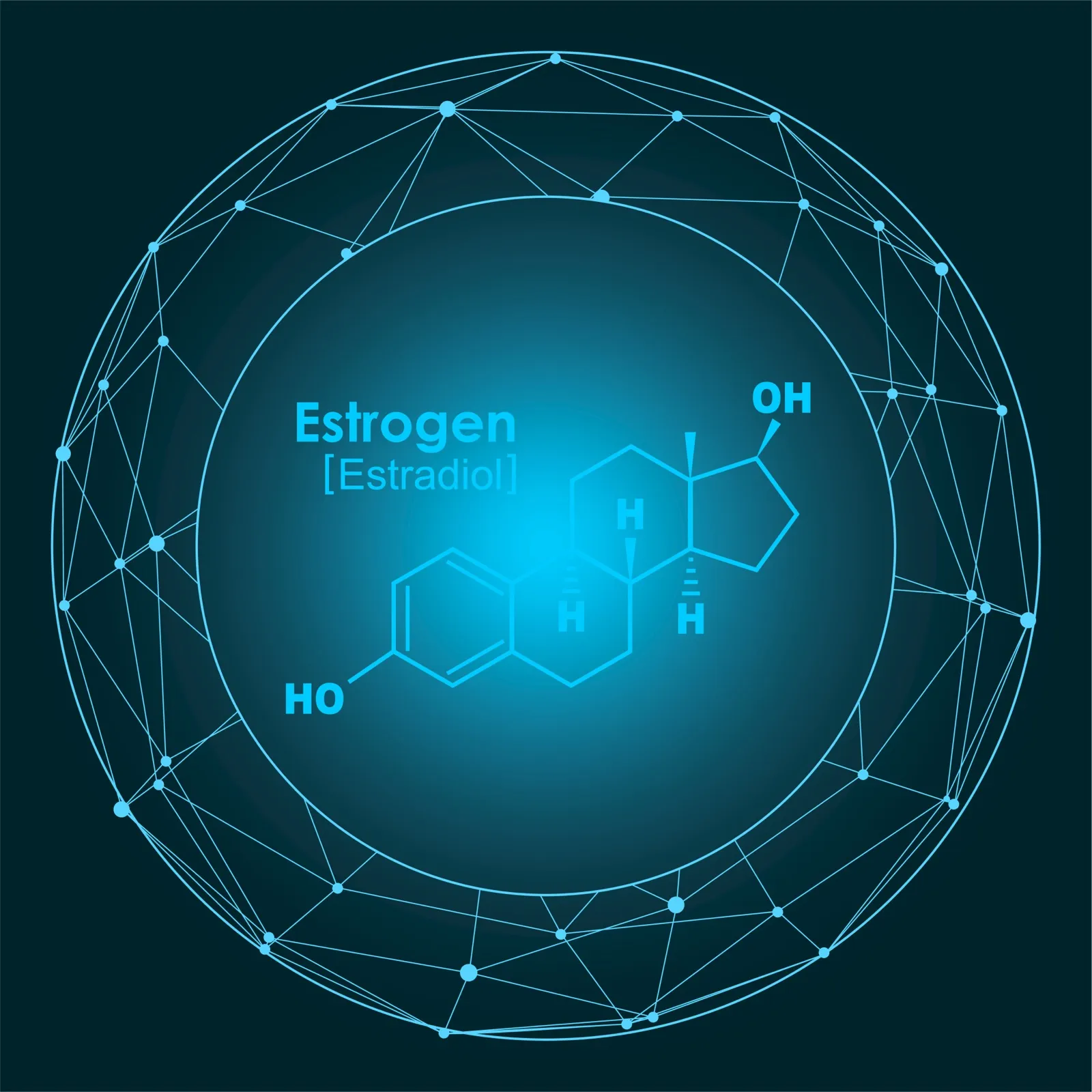
When we say bioidentical estradiol, we mean 17-beta estradiol, which is exactly the same molecule your ovaries produce. When we say bioidentical progesterone, we mean the same progesterone your corpus luteum and adrenal glands synthesize. When we say bioidentical testosterone, we mean the same testosterone naturally circulating in your bloodstream.
This matters because hormones work by fitting into specific receptors on your cells, like a key fitting into a lock. The shape of the molecule determines how it interacts with the receptor, how it is metabolized, what downstream signals it triggers, and what byproducts are produced. When the molecular structure is identical, the interaction is identical to what your body does naturally.
Bioidentical hormones are typically synthesized from plant precursors — most commonly diosgenin extracted from wild yams or soy. But the end product is not a plant extract or a “natural” supplement. It is a pharmaceutical-grade hormone that has been chemically processed to match human hormones exactly. The plant source is just the starting material, not the active product.
Bioidentical vs Synthetic: Why the Difference Matters
Synthetic hormones have different molecular structures than human hormones. The two most commonly prescribed synthetic hormones in traditional HRT are:
Conjugated equine estrogens (CEE), sold as Premarin, are derived from the urine of pregnant horses. They contain a mixture of estrogen molecules, most of which are found naturally in horses but not in humans. Equilin, equilenin, and 17-alpha-dihydroequilin are among the estrogens in this mixture. While CEE does contain some human-identical estrone, the overall composition is fundamentally different from what your body produces.
Medroxyprogesterone acetate (MPA), sold as Provera, is a synthetic progestin — a molecule designed to mimic some of progesterone’s effects but with a different chemical structure. MPA binds to progesterone receptors differently than bioidentical progesterone, produces different metabolites, and has a notably different side effect profile.
These synthetic hormones were the formulations used in the original Women’s Health Initiative study. When that study found increased risks associated with HRT, the findings were specific to these particular synthetic compounds — not to bioidentical hormones, which were not studied in the WHI.
The distinctions between bioidentical and synthetic hormones are not theoretical:
Breast cancer risk. The large French E3N cohort study, following over 80,000 women, found that bioidentical progesterone was not associated with increased breast cancer risk, while synthetic progestins were associated with a significant increase (1). This finding has been consistently supported by subsequent research.
Cardiovascular effects. Transdermal bioidentical estradiol does not carry the clotting risk associated with oral conjugated estrogens because it bypasses first-pass liver metabolism. Oral CEE increases the production of clotting factors in the liver, while transdermal estradiol does not (2).
Metabolic impact. Bioidentical progesterone has a more favorable metabolic profile than MPA, including neutral or positive effects on lipids, whereas MPA can negate some of the beneficial lipid effects of estrogen therapy.
Mood and sleep. Bioidentical progesterone is metabolized to allopregnanolone, a potent calming neurosteroid that activates GABA receptors. This is why oral micronized progesterone often improves sleep and reduces anxiety. Synthetic progestins do not produce this metabolite in the same way.
None of this means that synthetic hormones are never appropriate or that bioidentical hormones are risk-free. All hormone therapy carries considerations that require individualized assessment. But the evidence increasingly supports what many clinicians have observed for years: bioidentical hormones, properly prescribed and monitored, offer a meaningfully different clinical profile than their synthetic counterparts.
The Four Key Bioidentical Hormones for Women
A comprehensive bioidentical hormone protocol may include up to four hormones, depending on your individual lab results and clinical needs.
Estradiol (E2)
Estradiol is the most potent and biologically active form of estrogen. It is the primary estrogen produced by the ovaries during reproductive years and the hormone whose decline drives the majority of menopause symptoms — hot flashes, night sweats, vaginal dryness, mood changes, bone loss, and cardiovascular changes.
Bioidentical estradiol is available in multiple delivery forms:
- Transdermal patches (Vivelle-Dot, Climara, others) — FDA-approved, deliver steady estradiol levels through the skin, bypass the liver
- Topical creams and gels (Estrogel, Divigel, or compounded formulations) — Allow precise dose adjustments, applied daily to the skin
- Pellet implants — Small pellets inserted subcutaneously that release estradiol consistently over 3 to 4 months
- Vaginal formulations — Low-dose estradiol cream or rings for localized vaginal and urogenital benefits
Transdermal delivery is generally preferred over oral estrogen because it avoids first-pass liver metabolism, does not increase clotting factors, and maintains a more physiological estradiol-to-estrone ratio.
Progesterone
Bioidentical micronized progesterone (sold under the brand name Prometrium or available through compounding pharmacies) is structurally identical to the progesterone your body makes. It serves multiple important roles in a HRT protocol:
- Uterine protection — For women with an intact uterus, progesterone is essential to prevent estrogen-driven endometrial overgrowth and reduce the risk of endometrial cancer
- Sleep improvement — Progesterone’s conversion to allopregnanolone produces significant calming and sedating effects, making bedtime dosing a natural fit
- Mood stabilization — GABA receptor activation from progesterone metabolites provides anxiolytic effects that many women find transformative
- Neuroprotection — Emerging evidence supports progesterone’s role in brain health and cognitive preservation
Most women take oral micronized progesterone at bedtime, typically at doses of 100 to 200 mg depending on clinical needs. Some women use progesterone cream or vaginal formulations. The key is using real progesterone, not a synthetic progestin, to get the full spectrum of benefits.
Testosterone
This is the hormone most commonly missing from conventional HRT prescriptions, and its absence often explains why women on estrogen and progesterone still feel fatigued, low in libido, and foggy.
Women produce testosterone naturally, and its decline — which begins even before perimenopause — contributes significantly to fatigue, low sex drive, muscle loss, cognitive changes, and diminished sense of well-being. Low-dose bioidentical testosterone therapy can address all of these symptoms.
Testosterone for women is typically prescribed as a compounded topical cream at doses of 0.5 to 2 mg daily — a fraction of male doses. The goal is to restore levels to the mid-normal female range, not to reach male levels. We cover this topic comprehensively in our guide on whether women can take testosterone.
DHEA (Dehydroepiandrosterone)
DHEA is a precursor hormone produced by the adrenal glands that can convert to both estrogen and testosterone. DHEA levels decline steadily with age, dropping by approximately 80 percent between the ages of 25 and 75.
Supplemental DHEA supports androgen production, immune function, bone density, and overall vitality. It is particularly useful for women whose adrenal function has been compromised by chronic stress. Typical doses range from 5 to 25 mg daily, adjusted based on lab values.
Intravaginal DHEA (Intrarosa/prasterone) is an FDA-approved option specifically for vaginal dryness and sexual pain, providing localized hormone support without significant systemic absorption.
Who Is a Good Candidate for Bioidentical Hormone Therapy?
Bioidentical hormone therapy may be appropriate for women who:
- Are experiencing perimenopause or menopause symptoms that affect quality of life
- Have documented hormonal deficiencies confirmed by comprehensive lab work
- Have not found adequate relief from lifestyle modifications alone
- Want to address the root cause of symptoms rather than manage them with multiple medications
- Are interested in the long-term health protective effects of hormone optimization, including cardiovascular, bone, and cognitive benefits
- Have had surgical menopause (oophorectomy) and need immediate hormone replacement
- Are on conventional HRT with synthetic hormones and want to explore bioidentical alternatives
Women with a history of hormone-receptor-positive breast cancer, active blood clots, or certain liver conditions may need to avoid systemic hormone therapy or require modified approaches. An individualized risk-benefit assessment is essential for every patient.
The Lab Work That Drives Everything
At Rewind, we do not prescribe hormones based on age, symptoms, or assumptions. Every protocol starts with comprehensive lab work through our diagnostic testing services.
A complete pre-treatment panel includes:
- Estradiol — Baseline levels to quantify estrogen status
- Progesterone — Often very low or undetectable in postmenopausal women
- Total and free testosterone — Essential for identifying testosterone deficiency and calculating the bioavailable fraction
- DHEA-S — Assesses adrenal androgen production
- SHBG (sex hormone-binding globulin) — Determines how much hormone is bound vs free and bioavailable
- FSH and LH — Confirms menopausal status and assesses pituitary function
- Thyroid panel — TSH, free T3, free T4, and thyroid antibodies, because thyroid dysfunction mimics and worsens hormonal symptoms
- Fasting insulin and hemoglobin A1c — Metabolic markers that influence hormone function and are influenced by hormone levels
- Lipid panel, CMP, CBC — Baseline safety markers for ongoing monitoring
- Vitamin D — Commonly deficient and essential for hormone metabolism
These results create a detailed map of your hormonal landscape. They reveal not just which hormones are low, but how your body is metabolizing hormones, how your binding proteins are behaving, and whether other systems like thyroid and metabolism need attention alongside hormone replacement.
Follow-up labs are checked at 6 to 8 weeks after initiating therapy and at regular intervals thereafter. This iterative process ensures your doses are producing the intended results and allows for precise adjustments.
What to Expect: A Realistic Results Timeline
Understanding what to expect — and when — helps you stay the course through the optimization process.
Weeks 1 to 3
Sleep quality typically improves first, especially when progesterone is part of the protocol. Women often report falling asleep more easily, sleeping more deeply, and waking less frequently. Anxiety and irritability may begin to ease. Many women describe a subtle but noticeable sense of calm that had been absent.
Weeks 3 to 6
Hot flashes and night sweats usually decrease significantly in frequency and intensity. Mood continues to stabilize. Energy levels begin to improve, and the persistent fatigue that characterized hormonal decline starts to lift. Mental clarity may begin sharpening.
Weeks 6 to 12
This is when the full scope of improvement becomes apparent. Libido begins to return, particularly as testosterone reaches therapeutic levels. Body composition starts to shift — less bloating, improved muscle tone, and reduced abdominal fat storage. Joint pain often improves. Skin and hair quality begin to recover. Cognitive fog continues to clear.
Months 3 to 6
Full optimization across all symptom domains. Women at this stage frequently describe feeling like themselves again for the first time in years. Sexual function, energy, sleep, mood, body composition, and mental performance are all meaningfully improved. Lab work confirms hormones are in the target range.
Beyond 6 Months
Ongoing benefits plus accumulating long-term protective effects on bone density, cardiovascular health, and cognitive function. This is also when the more gradual improvements — skin elasticity, collagen quality, hair thickness — become increasingly noticeable.

The Role of Compounding Pharmacies
Compounding pharmacies play an important role in bioidentical hormone therapy because they can prepare customized formulations that are not commercially available. A compounding pharmacy can:
- Combine multiple hormones (estradiol, progesterone, testosterone, DHEA) into a single preparation for convenience
- Adjust dosages in increments that commercial formulations do not offer
- Prepare hormones in specific delivery forms (creams, troches, capsules, suppositories) based on individual needs
- Avoid fillers, dyes, or allergens that may be present in commercial products
Rewind works with licensed compounding pharmacies that meet USP 795 and USP 797 standards for quality and sterility. Every compounded formulation is prepared to pharmaceutical-grade specifications.
It is worth noting that some bioidentical hormones are available in FDA-approved commercial formulations. Estradiol patches, gels, and sprays are widely available without compounding. Oral micronized progesterone (Prometrium) is FDA-approved. The choice between compounded and commercial formulations depends on the specific hormones and doses needed.
Safety and Monitoring
Bioidentical hormones are medications, and like all medications, they require proper prescribing and monitoring. The favorable safety profile of bioidentical hormones compared to synthetics does not eliminate the need for medical supervision — it makes supervised therapy even more worthwhile because the benefit-to-risk ratio is favorable when managed correctly.
Ongoing monitoring includes:
- Regular lab work — Hormone levels, metabolic markers, and safety parameters checked at scheduled intervals
- Symptom assessment — Clinical evaluation of response to therapy and any side effects
- Dosage adjustments — Titrating doses based on lab values and clinical response until optimal levels are achieved and maintained
- Cancer screening — Maintaining appropriate screening schedules for breast, cervical, and other cancers
- Bone density monitoring — Periodic assessment when indicated, particularly for women at risk for osteoporosis
The most common side effects of properly dosed bioidentical hormone therapy are mild and manageable — breast tenderness during the initial weeks of estrogen therapy, spotting or light bleeding during the adjustment period, mild acne with testosterone, and drowsiness from bedtime progesterone (which most women consider a benefit rather than a side effect).
How Rewind Anti-Aging Miami Personalizes Your Protocol
At Rewind, no two hormone protocols are the same because no two patients are the same. Our process is built around individualized assessment and iterative optimization.
Comprehensive evaluation — Your treatment begins with a detailed symptom history, medical history review, and extensive lab work. We want to understand not just which hormones are low, but why they are low and what else might be contributing to your symptoms.
Protocol design — Based on your lab results and clinical picture, we design a female HRT protocol that addresses your specific needs. This may include estradiol, progesterone, testosterone, and DHEA in various combinations and delivery methods, tailored to your preferences and clinical requirements.
Follow-up and optimization — We recheck labs at 6 to 8 weeks and again at 3 to 4 months. Doses are adjusted based on objective data and subjective response. The goal is to dial in your protocol until every marker is optimized and every symptom is addressed.
Ongoing partnership — Hormone therapy is not a “set it and forget it” treatment. Your body changes over time, and your protocol should evolve with it. Regular monitoring, annual comprehensive panels, and open communication with your clinical team ensure that your therapy continues to serve you well over the long term.
Clearing Up Common Misconceptions
“Bioidentical hormones are not FDA-approved.” This is partially true and mostly misleading. Several bioidentical hormone products are FDA-approved, including estradiol patches, gels, sprays, and oral micronized progesterone. Compounded bioidentical hormones are prepared by pharmacies using FDA-registered ingredients but are not individually FDA-approved as finished products. This is standard compounding pharmacy practice and applies to compounded medications in every medical specialty.
“Natural hormones are unregulated.” Licensed compounding pharmacies are regulated by state boards of pharmacy and must comply with USP standards. The term “natural” is often used loosely in consumer marketing, but prescription bioidentical hormones from reputable compounding pharmacies are pharmaceutical-grade products.
“Hormones cause cancer.” This oversimplification ignores the critical nuances of hormone type, delivery method, timing, and individual risk factors. Bioidentical progesterone has not been associated with the breast cancer risk increase seen with synthetic progestins. The WHI reanalysis showed that estrogen-only therapy was actually associated with decreased breast cancer incidence (3). Risk assessment must be individualized.
“You should use hormones for the shortest time possible.” This outdated recommendation from the early post-WHI era has been revised. Current evidence and medical society guidelines support continued use of hormone therapy as long as benefits outweigh risks, with regular reassessment. For many women, that means long-term therapy.
Taking the Next Step
If you are experiencing the symptoms of hormonal decline and want to understand your options, bioidentical hormone therapy may be the evidence-based solution you have been looking for. The first step is not choosing a treatment — it is getting comprehensive lab work to understand exactly where your hormones stand.
At Rewind Anti-Aging Miami, our female HRT program is designed around the principle that effective hormone therapy starts with thorough testing, proceeds with individualized treatment, and succeeds through careful monitoring. We do not guess. We measure, treat, and optimize.
To learn more about how menopause affects your hormonal health, see our guide on the signs of menopause and how HRT can help.
Related Articles
- Signs of Menopause and How HRT Can Help
- Can Women Take Testosterone? Benefits, Safety, and What to Know
- TRT vs HRT: Understanding the Difference
References
- Fournier A, Berrino F, Clavel-Chapelon F. Unequal risks for breast cancer associated with different hormone replacement therapies: results from the E3N cohort study. Breast Cancer Res Treat. 2008;107(1):103-111.
- Scarabin PY, Oger E, Plu-Bureau G. Differential association of oral and transdermal oestrogen-replacement therapy with venous thromboembolism risk. Lancet. 2003;362(9382):428-432.
- Manson JE, Chlebowski RT, Stefanick ML, et al. Menopausal hormone therapy and health outcomes during the intervention and extended poststopping phases of the Women’s Health Initiative randomized trials. JAMA. 2013;310(13):1353-1368. PubMed
- The NAMS 2022 Hormone Therapy Position Statement Advisory Panel. The 2022 hormone therapy position statement of The North American Menopause Society. Menopause. 2022;29(7):767-794.
- Files JA, Ko MG, Pruthi S. Bioidentical hormone therapy. Mayo Clin Proc. 2011;86(7):673-680.
Ready to explore bioidentical hormone therapy? Rewind Anti-Aging of Miami offers personalized female HRT with comprehensive lab work, bioidentical formulations, and ongoing monitoring. Learn about our process or schedule a consultation →
Frequently Asked Questions
What does bioidentical actually mean?
Bioidentical means the hormone molecule is structurally identical to the hormone your body naturally produces. Bioidentical estradiol is the same 17-beta estradiol your ovaries make. Bioidentical progesterone is the same progesterone molecule produced by your corpus luteum and adrenal glands. Bioidentical testosterone is the same testosterone your ovaries and adrenals synthesize. Because the molecular structure matches exactly, your body's enzyme systems and hormone receptors recognize and process these hormones the same way they process your own.
Are bioidentical hormones safer than synthetic hormones?
The evidence increasingly suggests a more favorable safety profile for bioidentical hormones compared to their synthetic counterparts, particularly regarding breast cancer risk and cardiovascular effects. The French E3N cohort study found that bioidentical progesterone was not associated with increased breast cancer risk, while synthetic progestins were. Transdermal bioidentical estradiol does not carry the clotting risk associated with oral conjugated equine estrogens. However, all hormone therapy requires medical supervision and regular monitoring regardless of the formulation.
Do I need a prescription for bioidentical hormones?
Yes. Bioidentical hormones are prescription medications that should only be used under medical supervision. Some bioidentical formulations are FDA-approved and available at regular pharmacies, including estradiol patches, gels, and sprays, as well as oral micronized progesterone. Customized combinations and dosages are available through compounding pharmacies with a prescription. Over-the-counter products marketed as containing natural progesterone or DHEA are not the same as prescription-grade bioidentical hormones and lack the potency and quality control of compounded or FDA-approved formulations.
How are bioidentical hormones different from over-the-counter hormone creams?
Prescription bioidentical hormones are pharmaceutical-grade compounds with verified potency, purity, and absorption characteristics. They are prescribed at specific therapeutic doses based on your lab work and monitored with follow-up testing. Over-the-counter creams sold at health food stores may contain small amounts of plant-derived precursors like wild yam extract, but these do not convert to active hormones in the body. Their concentrations are unregulated and their absorption is unreliable. There is no comparison between prescription bioidentical therapy and consumer wellness products.
What lab work is needed before starting bioidentical hormones?
A comprehensive pre-treatment panel should include estradiol, progesterone, total and free testosterone, DHEA-S, sex hormone-binding globulin, FSH, LH, a complete thyroid panel including antibodies, fasting insulin, hemoglobin A1c, a lipid panel, a comprehensive metabolic panel, CBC, and vitamin D. Depending on your history, additional markers may be needed. This baseline is essential for designing an appropriate protocol and provides comparison values for monitoring progress after treatment begins.
How long does it take to feel results from bioidentical hormone therapy?
Most women begin noticing improvements within the first 2 to 4 weeks, with sleep quality and mood typically responding first. Hot flashes and night sweats generally improve within 4 to 8 weeks. Libido, body composition, cognitive clarity, and energy improvements continue to develop over 2 to 4 months. Full optimization of all benefits usually occurs by 4 to 6 months. Individual response times vary based on the severity of deficiency, the specific hormones being replaced, and the delivery method chosen.
Can bioidentical hormones help with perimenopause?
Yes. Bioidentical hormones are commonly used during perimenopause, not just after menopause. Perimenopause involves erratic hormonal fluctuations that can produce intense symptoms including mood swings, sleep disruption, irregular periods, and anxiety. Bioidentical progesterone can stabilize the hormonal swings that characterize perimenopause, and low-dose estradiol may be appropriate when levels drop below the functional range. Testosterone replacement during perimenopause addresses the fatigue, low libido, and cognitive changes that often accompany this transition.
More in hormones
When Does Perimenopause Start? Earlier Than You Think
When does perimenopause start? Often the late 30s to early 40s — years before menopause. Here are the early symptoms, why labs look normal, and treatment options.
hormonesThyroid Symptoms That Get Missed (and Why)
Thyroid symptoms like fatigue, weight gain, and brain fog are often missed by TSH-only testing. Here's why a full thyroid panel may matter.
hormonesTestosterone and Heart Health in Men: What the Evidence Says
Testosterone and heart health: what current research, including the TRAVERSE trial, reveals about TRT, cardiovascular risk, and low T in men.
⚕ Medical Disclaimer
The information on this page is for educational purposes only and does not constitute medical advice, diagnosis, or treatment. All treatments at Rewind Anti-Aging of Miami are performed under the supervision of licensed medical professionals. Individual results may vary. Consult your physician before beginning any new treatment protocol.
Meet our clinical team →Not sure which treatment is right for you?
Take our free 2-minute assessment and get a personalized recommendation.
Areas We Serve in Miami & South Florida
Our clinic at 24 NW 29th Street is in Wynwood & Midtown, minutes from Edgewater and Brickell. We also care for patients across Coral Gables, Aventura, Key Biscayne, and Doral — plus the entire state of Florida via telehealth.
Take the Next Step
Our team at Rewind Anti-Aging in Miami is here to help you determine if hormone therapy is right for your goals.