

Hormone Replacement Therapy
Personalized bioidentical hormone therapy for men and women — guided by comprehensive bloodwork, not guesswork. Restore your energy, body composition, mental clarity, and quality of life.
What Is Hormone Replacement Therapy?
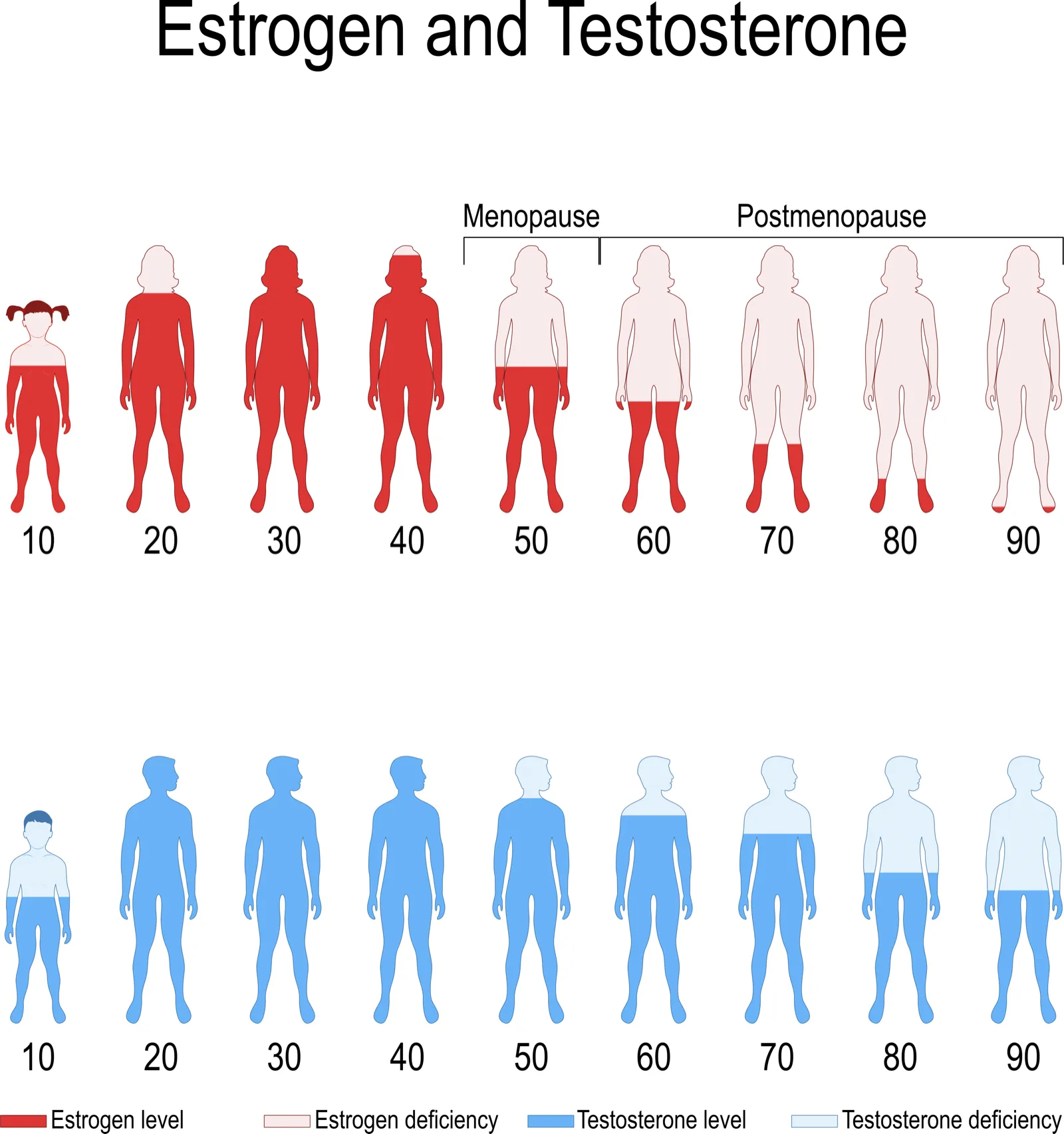
Hormone replacement therapy restores hormones that your body no longer produces in adequate amounts. Starting in our 30s and accelerating through our 40s and 50s, production of key hormones declines significantly — the root cause of many symptoms people attribute to "just getting older."
At Rewind Anti-Aging, we use bioidentical hormones — molecularly identical to what your body naturally produces. Unlike synthetic hormones, bioidentical hormones are recognized by your body's receptors exactly as your own hormones would be.
Hormones We Optimize
We address the full hormonal picture — not just one number on a lab report.
Testosterone
Men & WomenEnergy, muscle mass, libido, mood, cognitive function
Estradiol
WomenBone density, cardiovascular health, skin elasticity, menopause relief
Progesterone
WomenSleep quality, anxiety reduction, endometrial protection
DHEA
Men & WomenImmune function, energy, body composition
Thyroid (T3/T4)
Men & WomenMetabolism, energy, weight regulation, mental clarity
Pregnenolone
Men & WomenMemory, cognitive function, stress response
Signs You May Need Hormone Therapy
Hormonal decline doesn't announce itself with one dramatic symptom. It's usually a gradual accumulation of changes that erode your quality of life over months or years. Learn to recognize the signs of low testosterone and other hormonal imbalances.
Common Symptoms in Men
- Persistent fatigue despite adequate sleep
- Loss of muscle mass and strength
- Increased body fat, especially around the abdomen
- Low sex drive or erectile dysfunction
- Brain fog, difficulty concentrating
- Irritability, anxiety, or depression
- Decreased motivation and drive
- Sleep disruption or insomnia
An estimated 25% of men over 30 have clinically low testosterone.
Common Symptoms in Women
- Hot flashes and night sweats
- Irregular or absent periods
- Vaginal dryness and painful intercourse
- Low libido
- Weight gain around the midsection
- Mood swings, anxiety, or depression
- Thinning hair or dry skin
- Bone density loss
Hormonal decline typically accelerates during perimenopause, often starting in the mid-40s.
Benefits of Hormone Optimization
When hormones are restored to optimal levels — not just "normal range" but where you feel and function your best — the improvements are often transformative.
Energy & Vitality
Most patients report significantly improved energy within 2-4 weeks of starting treatment.
Body Composition
Increased lean muscle mass and reduced body fat. Studies show average fat loss of 3.5 kg and lean mass gain of 1.6 kg with testosterone therapy.
Mental Clarity
Improved cognitive function, memory, focus, and reduced brain fog.
Sexual Function
Improved libido, arousal, and sexual performance in both men and women.
Sleep Quality
Progesterone has calming, sleep-promoting effects. Balanced hormones improve sleep architecture.
Cardiovascular Health
Research shows testosterone therapy is associated with reduced cardiovascular mortality in men with low T.

What to Expect: Your Treatment Timeline
Improved energy, better sleep, and a general sense of "something is different." Mood begins to stabilize.
More noticeable improvements in energy, mental clarity, and libido. Body composition changes begin.
Significant improvements across most symptoms. Visible body composition changes. First follow-up blood panel.
Full optimization. Most patients feel "like a completely different person" compared to pre-treatment.
Delivery Methods Compared
There is no single "best" method. The right choice depends on your hormones, lifestyle, and how your body responds.
| Method | How It Works | Frequency | Pros | Cons |
|---|---|---|---|---|
| Injections | Intramuscular or subcutaneous | Weekly / biweekly | Precise dosing, consistent levels, most studied | Requires self-injection or office visits |
| Pellets | Small pellet implanted under skin | Every 3-6 months | Steady release, no daily action | Minor procedure, dose not adjustable once placed |
| Creams/Gels | Topical application to skin | Daily | Easy application, dose easily adjusted | Transference risk, variable absorption |
| Patches | Adhesive patch releases hormone | 1-2x per week | Steady delivery, no injection | Skin irritation, may not deliver adequate doses |
At Rewind, testosterone injections (testosterone cypionate) are our most commonly prescribed method for men. For women, we often use topical formulations or low-dose injections.
The Rewind Process
From consultation to optimization — every step is data-driven and personalized to you.
Initial Consultation
A thorough discussion of your symptoms, health history, lifestyle, and goals. We listen first.
Comprehensive Blood Panel
We test total and free testosterone, estradiol, progesterone, DHEA-S, SHBG, full thyroid panel, cortisol, CBC, CMP, lipid panel, and more.
Results Review
We review every result and show you where you fall relative to optimal ranges — not just "normal" lab ranges.
Personalized Protocol
Based on your bloodwork, symptoms, and goals, we design a protocol specifying hormones, delivery method, and dosages.
Ongoing Monitoring
Follow-up blood panels at 6-8 weeks, then every 3-6 months. We adjust your protocol as your body responds.
What to Try at Home First
Not everyone needs medication. These evidence-based lifestyle changes can meaningfully impact your hormone levels:
- Resistance training — 3-4 sessions/week with compound movements to naturally boost testosterone and growth hormone
- Sleep optimization — 7-9 hours in a cool, dark room. Sleep deprivation can reduce testosterone by 10-15% in one week
- Stress management — chronic stress elevates cortisol, which directly suppresses testosterone, progesterone, and thyroid function
- Nutrition — adequate protein, healthy fats, zinc, magnesium, and vitamin D all support hormone production
If you've optimized these factors and still experience symptoms, it's time for a professional evaluation with bloodwork.


Why Patients Choose Rewind
-
Founded on Personal Experience
Our founder's own HRT transformation is why this clinic exists. We understand because we've been there.
-
Data-Driven, Not Cookie-Cutter
Every protocol is based on your individual bloodwork. We test extensively, explain everything, and adjust until you're optimized.
-
Men and Women
We treat both with protocols specifically designed for each. Many competitors focus on men only.
-
10+ Years in Miami
Boutique practice, real relationships. You're not a number — our team knows your name, your history, and your goals.
Related Treatments
Testosterone Therapy
Testosterone replacement that restores energy, libido, muscle mass, and mental clarity in men with low T.
Learn more →Female Hormone Replacement Therapy
Bioidentical hormone therapy tailored for women experiencing menopause, perimenopause, or hormonal imbalance.
Learn more →Enclomiphene Therapy
A selective estrogen receptor modulator that boosts natural testosterone production while preserving fertility.
Learn more →Hormone Therapy Insights from Our Blog
Signs of Low Testosterone in Men
Recognizing the symptoms of hormonal decline.
Can Women Take Testosterone?
How testosterone therapy helps women with energy and vitality.
TRT vs HRT: Understanding the Difference
How male and female hormone therapies compare.
Vitamin D and Testosterone
The connection between vitamin D levels and hormone health.
Frequently Asked Questions
What is bioidentical hormone replacement therapy?
Bioidentical hormones are molecularly identical to the hormones your body naturally produces. Unlike synthetic hormones, bioidentical hormones — including estradiol, progesterone, and testosterone cypionate — are recognized by your body's receptors exactly as your own hormones would be, which may reduce side effects and improve outcomes.
How do I know if I need hormone therapy?
Common signs of hormonal imbalance include persistent fatigue, unexplained weight gain, low libido, mood changes (anxiety, depression, irritability), brain fog, sleep disruption, muscle loss, and hot flashes. A comprehensive blood panel is the only way to confirm whether your symptoms are hormone-related. We test testosterone (total and free), estradiol, progesterone, DHEA-S, thyroid panel, cortisol, and more.
Is hormone replacement therapy safe?
HRT is generally safe when prescribed appropriately, monitored regularly, and tailored to the individual. Modern bioidentical HRT has a different risk profile than the synthetic hormones used in older studies like the WHI. However, HRT is not risk-free — it carries potential risks including blood clots, certain cancers, and cardiovascular effects depending on the type, dose, route, and patient history. We discuss all risks transparently during your consultation.
What's the difference between testosterone injections, pellets, and creams?
Injections (typically weekly or biweekly) provide consistent, controllable dosing and are the most common method. Pellets are implanted under the skin every 3-6 months for steady release. Creams/gels are applied daily but can transfer to others through skin contact. Each method has pros and cons — we recommend based on your lifestyle, preferences, and how your body responds.
How long does it take to feel results from HRT?
Most patients notice initial improvements in energy and mood within 2-4 weeks. Significant changes in body composition, libido, sleep quality, and mental clarity typically develop over 2-3 months. Full optimization usually takes 3-6 months as we fine-tune your protocol based on follow-up bloodwork.
Will testosterone therapy cause aggression or 'roid rage'?
No. Therapeutic testosterone replacement restores levels to the normal physiological range — it does not push levels to the supraphysiological ranges associated with anabolic steroid abuse. Most patients report improved mood stability, reduced irritability, and decreased anxiety.
Can women take testosterone?
Yes. Women produce testosterone naturally (in smaller amounts than men), and declining testosterone in women contributes to fatigue, low libido, brain fog, and muscle loss. Low-dose testosterone therapy for women can significantly improve energy, sexual function, and overall quality of life when properly monitored.
What blood tests are required before starting HRT?
We run a comprehensive panel including: total and free testosterone, estradiol, progesterone, DHEA-S, SHBG, TSH, free T3, free T4, cortisol, CBC, CMP, lipid panel, PSA (for men), insulin, hemoglobin A1c, and vitamin D. This gives us a complete picture of your hormonal, metabolic, and overall health status.
How often do I need follow-up blood work?
Typically at 6-8 weeks after starting or adjusting treatment, then every 3-6 months once stable. Regular monitoring ensures your levels are optimized and allows us to catch and address any issues early.
Will my insurance cover hormone replacement therapy?
Most of our HRT services are wellness-based and not covered by insurance. However, some lab work may be covered depending on your plan. We discuss all costs transparently during your consultation so you know exactly what to expect.
What happens if I stop hormone therapy?
If you stop HRT, your hormone levels will return to their pre-treatment state over several weeks, and symptoms will likely return. We don't recommend stopping abruptly — if you decide to discontinue, we develop a tapering plan to minimize rebound effects.
Do you treat thyroid and adrenal issues?
Yes. Thyroid dysfunction and adrenal insufficiency are common contributors to fatigue, weight gain, and mood issues. We test thyroid and adrenal markers as part of our standard panel and treat them as part of a comprehensive hormone optimization strategy when indicated.
Ready to Optimize Your Hormones?
Schedule a consultation to review your symptoms and get comprehensive bloodwork. It starts with understanding where you are.
⚕ Medical Disclaimer
The information on this page is for educational purposes only and does not constitute medical advice, diagnosis, or treatment. All treatments at Rewind Anti-Aging of Miami are performed under the supervision of licensed medical professionals. Individual results may vary. Consult your physician before beginning any new treatment protocol.
Meet our clinical team →Areas We Serve in Miami & South Florida
Our clinic at 24 NW 29th Street is in Wynwood & Midtown, minutes from Edgewater and Brickell. We also care for patients across Coral Gables, Aventura, Key Biscayne, and Doral — plus the entire state of Florida via telehealth.