

Boston Heart Advanced Cardiovascular Testing
Standard cholesterol panels miss critical cardiovascular risk factors. Boston Heart testing analyzes LDL particle size, Lipoprotein(a), inflammation markers, and metabolic indicators — revealing the risks that basic labs can't see.
The Limitation of Standard Cholesterol Testing
For decades, cardiovascular risk has been assessed primarily by four numbers: total cholesterol, LDL, HDL, and triglycerides. While these markers have value, they paint an incomplete — and sometimes dangerously misleading — picture.
Consider this: up to 50% of people who have heart attacks have "normal" LDL cholesterol. The standard lipid panel simply doesn't capture the complexity of cardiovascular risk. Particle size, particle number, inflammatory markers, genetic risk factors, and metabolic indicators all play critical roles that a basic panel ignores. Emerging research also suggests that GLP-1 medications like Ozempic may affect cardiovascular markers.
What Boston Heart Testing Reveals
LDL Particle Analysis
Standard LDL testing measures the concentration of cholesterol carried by LDL particles. Boston Heart measures the actual number and size of LDL particles — which is a much better predictor of cardiovascular risk.
Small Dense LDL
Higher risk. Small particles penetrate the arterial wall more easily, are more prone to oxidation, and drive plaque formation. Even with "normal" LDL cholesterol, a high proportion of small dense particles significantly elevates risk.
Large Buoyant LDL
Lower risk. Larger particles are less likely to infiltrate arterial walls. A patient with elevated total LDL but predominantly large buoyant particles may have less cardiovascular risk than their standard labs suggest.
Lipoprotein(a) — The Hidden Risk Factor
Lipoprotein(a), or Lp(a), is a genetically determined cardiovascular risk factor that affects approximately 1 in 5 people. Elevated Lp(a) is an independent risk factor for:
- Heart attack
- Stroke
- Aortic valve stenosis
- Peripheral artery disease
Lp(a) levels are largely determined by genetics and are not significantly affected by diet or exercise. Standard lipid panels never test for Lp(a), so millions of high-risk individuals are completely unaware of this risk factor. Knowing your Lp(a) level allows your physician to implement targeted risk-reduction strategies.

Inflammation Markers
Cardiovascular disease is fundamentally an inflammatory process. Boston Heart measures key inflammation markers that standard panels miss:
hs-CRP (High-Sensitivity C-Reactive Protein)
A marker of systemic inflammation. Elevated hs-CRP independently predicts cardiovascular events even in patients with normal cholesterol. Used in the Reynolds Risk Score for refined risk assessment.
Lp-PLA2 (PLAC Test)
Measures inflammation within the arterial wall itself. Unlike hs-CRP (which reflects general inflammation), Lp-PLA2 is specific to vascular inflammation and plaque instability — the kind that leads to heart attacks.
Metabolic Risk Factors
Apolipoprotein B (ApoB)
The protein on all atherogenic particles. Many experts consider ApoB the single best measure of cardiovascular risk.
Insulin Resistance Markers
Metabolic syndrome is a major cardiovascular risk driver that standard panels don't adequately assess.
Omega-3 Index
Measures EPA and DHA levels in red blood cell membranes. Low omega-3 is associated with increased cardiovascular mortality.
Homocysteine
Elevated levels are associated with increased cardiovascular risk and can indicate B-vitamin deficiency.
Standard Lipid Panel vs. Boston Heart
| What's Measured | Standard Lipid Panel | Boston Heart |
|---|---|---|
| Total Cholesterol, LDL, HDL, Triglycerides | ✓ | ✓ |
| LDL Particle Number | ✗ | ✓ |
| LDL Particle Size Distribution | ✗ | ✓ |
| Lipoprotein(a) | ✗ | ✓ |
| ApoB | ✗ | ✓ |
| hs-CRP | ✗ | ✓ |
| Lp-PLA2 (Vascular Inflammation) | ✗ | ✓ |
| Omega-3 Index | ✗ | ✓ |
| Homocysteine | ✗ | ✓ |
Why This Matters for Anti-Aging Patients
Cardiovascular disease remains the #1 cause of death in the United States. For patients pursuing longevity and anti-aging treatments, understanding true cardiovascular risk is essential — not just avoiding a heart attack, but optimizing vascular health for decades to come.
Boston Heart testing is particularly relevant for patients on:
Testosterone Therapy
TRT can affect lipid profiles, hematocrit, and cardiovascular markers. Advanced testing ensures cardiac safety.
Weight Loss Medications
GLP-1 agonists like semaglutide have demonstrated cardiovascular benefits. Boston Heart can quantify them.
Statin Therapy
Determine if your statin is adequately addressing your true risk factors, not just lowering a number.
Lifestyle Interventions
Objectively measure the cardiovascular impact of diet, exercise, and supplementation changes.
What to Expect
Consultation
Discuss your cardiovascular risk factors, family history, and current medications.
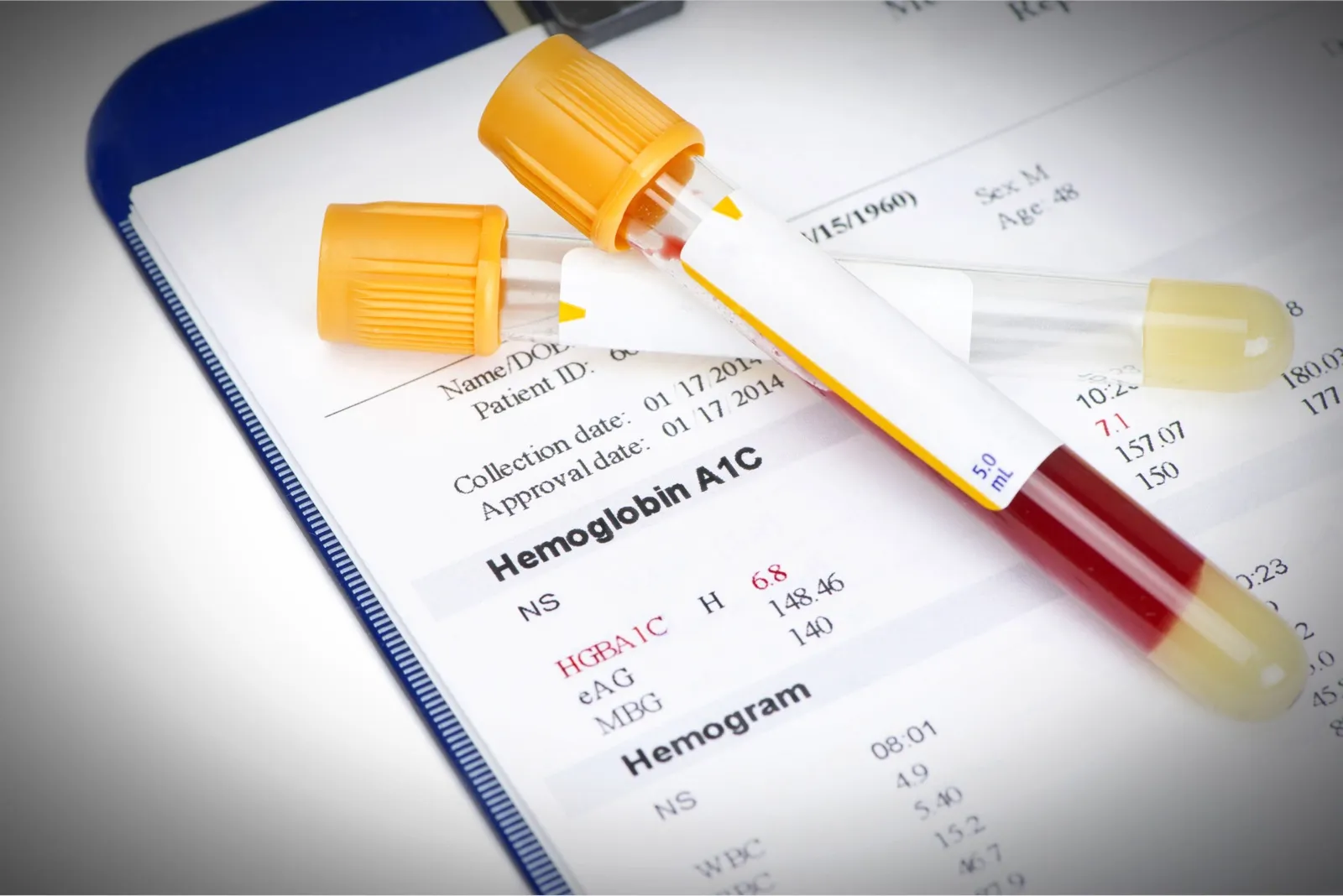
Fasting Blood Draw
Collected at our Wynwood clinic. A 10-12 hour fast is recommended.
Lab Processing
Samples are sent to Boston Heart Diagnostics' specialized laboratory. Results typically take 7-10 business days.
Comprehensive Report
Boston Heart provides a detailed, color-coded risk report with clear visualizations.
Results Review
We review every finding, explain what it means for your health, and adjust your treatment plan accordingly.
Related Treatments
Executive Lab Panel
Comprehensive bloodwork panel covering 30+ biomarkers for a complete picture of your metabolic and hormonal health.
Learn more →Galleri Cancer Detection Test
Detect 50+ cancer types with a single blood draw using multi-cancer early detection technology.
Learn more →TrueAge Epigenetic Test
Measure your true biological age through DNA methylation analysis to track and validate anti-aging treatments.
Learn more →Frequently Asked Questions
How is Boston Heart different from a standard cholesterol test?
A standard lipid panel gives you four numbers: total cholesterol, LDL, HDL, and triglycerides. Boston Heart goes far deeper — measuring LDL particle number and size, Lipoprotein(a), inflammation markers, metabolic risk factors, and genetic cardiovascular risk indicators. Up to 40% of heart attacks occur in people with 'normal' standard cholesterol, which is why advanced testing matters.
Who should get Boston Heart testing?
Anyone with a family history of heart disease, borderline or elevated cholesterol, metabolic syndrome, diabetes, or who wants the most thorough cardiovascular risk assessment available. It's also valuable for patients on statin therapy to determine if treatment is adequately addressing their true risk factors — not just their LDL number.
What is Lipoprotein(a) and why does it matter?
Lipoprotein(a), or Lp(a), is a genetically determined cardiovascular risk factor that affects approximately 1 in 5 people. Elevated Lp(a) significantly increases your risk of heart attack and stroke independent of other cholesterol markers. Standard lipid panels never test for it, so many high-risk patients have no idea they carry this risk factor.
Why does LDL particle size matter?
Not all LDL is created equal. Small, dense LDL particles are far more dangerous than large, buoyant LDL particles because they more easily penetrate the arterial wall and drive plaque formation. Two patients can have identical LDL numbers but vastly different cardiovascular risk based on their particle size distribution.
Is Boston Heart testing covered by insurance?
Boston Heart Diagnostics works directly with insurance companies and many tests are covered. They have a dedicated team that handles insurance verification and pre-authorization. We can help you determine coverage during your consultation.
How often should I get tested?
For an initial assessment: once to establish your comprehensive cardiovascular risk profile. Follow-up testing is typically recommended 6-12 months after starting treatment (statins, lifestyle changes, hormone therapy) to assess response. Ongoing monitoring annually or as clinically indicated.
Know Your True Cardiovascular Risk
Go beyond basic cholesterol numbers. Schedule your Boston Heart advanced cardiovascular panel today.
Schedule Your TestingOr call (305) 922-9622
⚕ Medical Disclaimer
The information on this page is for educational purposes only and does not constitute medical advice, diagnosis, or treatment. All treatments at Rewind Anti-Aging of Miami are performed under the supervision of licensed medical professionals. Individual results may vary. Consult your physician before beginning any new treatment protocol.
Meet our clinical team →Areas We Serve in Miami & South Florida
Our clinic at 24 NW 29th Street is in Wynwood & Midtown, minutes from Edgewater and Brickell. We also care for patients across Coral Gables, Aventura, Key Biscayne, and Doral — plus the entire state of Florida via telehealth.