
Ready to explore peptide therapy?
Schedule a free consultation with our medical team in Miami.
Peptide therapy has emerged as one of the most promising frontiers in anti-aging medicine and health optimization. As research continues to reveal the roles that peptides play in human physiology, clinicians and patients alike are turning to these targeted compounds for everything from fat loss and muscle recovery to improved sleep and skin rejuvenation. But what exactly are peptides, how does the therapy work, and who stands to benefit most? This comprehensive guide covers the science, the applications, and the practical considerations you need to make an informed decision.
What Are Peptides?
Peptides are short chains of amino acids — typically between 2 and 50 amino acids in length — linked together by peptide bonds. They function as signaling molecules in the body, instructing cells and tissues to carry out specific biological processes. Unlike larger proteins, peptides are small enough to penetrate tissues efficiently and bind to receptors on cell surfaces, triggering targeted physiological responses.
Your body produces hundreds of peptides naturally. Insulin, for example, is a peptide hormone that regulates blood sugar. Oxytocin, the so-called “bonding hormone,” is another. Growth hormone-releasing hormone (GHRH) signals the pituitary gland to produce growth hormone. These endogenous peptides orchestrate virtually every major system in the body, from metabolism and immune defense to tissue repair and cognitive function.
The challenge is that natural peptide production declines with age. Research published in the Journal of Clinical Endocrinology & Metabolism has documented that growth hormone secretion decreases by approximately 14% per decade after age 30 (Iranmanesh et al., 1991). This decline contributes to many hallmarks of aging: reduced energy, slower recovery, increased body fat, diminished skin elasticity, and impaired sleep quality.
Peptide therapy addresses this decline by introducing laboratory-synthesized versions of these signaling molecules, effectively restoring cellular communication that has weakened over time.
What Is Peptide Therapy?
Peptide therapy is a medical treatment that uses specific synthetic peptides to enhance, restore, or modulate biological functions in the body. Rather than introducing foreign chemicals, peptide therapy works by mimicking compounds your body already recognizes and responds to.
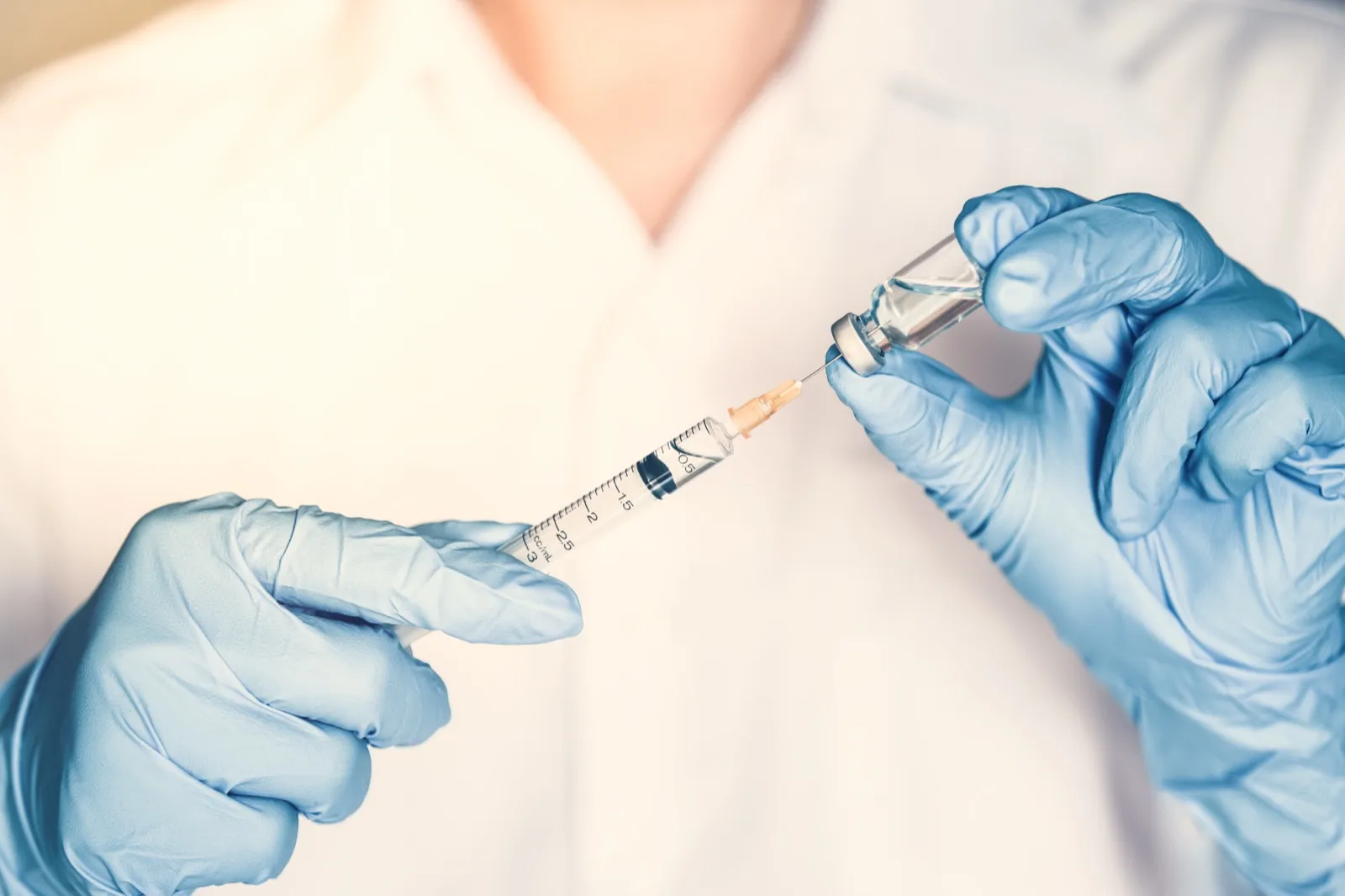
Treatment protocols are highly individualized. A physician evaluates your bloodwork, health history, symptoms, and goals before selecting the appropriate peptides and dosing regimen. Peptides are most commonly administered via subcutaneous injection, though some formulations are available as oral tablets, nasal sprays, topical creams, or sublingual troches.
The individualized approach is central to the therapy’s effectiveness. A peptide protocol designed for muscle recovery in an athlete will differ substantially from one aimed at hormone optimization in a 55-year-old executive. This precision is what distinguishes peptide therapy from broad-spectrum supplements or one-size-fits-all interventions.
How Peptide Therapy Works
Peptides exert their effects by binding to specific receptors on cell surfaces, much like a key fitting into a lock. When a peptide binds to its target receptor, it activates an intracellular signaling cascade that produces a measurable biological response.
For example, growth hormone-releasing peptides (GHRPs) like ipamorelin bind to the ghrelin receptor on pituitary cells, stimulating the release of growth hormone (GH). Growth hormone then circulates through the body, promoting fat metabolism, muscle protein synthesis, bone density maintenance, and tissue repair (Raun et al., 1998).
Other peptides work through different mechanisms entirely. BPC-157, a body protection compound derived from gastric juice, promotes angiogenesis (new blood vessel formation) and modulates nitric oxide pathways to accelerate wound healing and reduce inflammation (Sikiric et al., 2018). Thymosin beta-4 supports tissue repair by promoting cell migration and differentiation at injury sites.
The key advantage of peptide therapy over traditional hormone replacement is specificity. Rather than flooding the body with exogenous hormones — which can suppress natural production through negative feedback loops — peptides stimulate the body’s own production and regulation systems. This generally results in a more physiologic response with fewer side effects.
Popular Peptides and Their Applications
CJC-1295 and Ipamorelin
This combination is among the most widely prescribed in anti-aging medicine. CJC-1295 is a growth hormone-releasing hormone (GHRH) analog that extends the half-life of natural GHRH, while ipamorelin is a selective growth hormone secretagogue that stimulates GH release without significantly affecting cortisol or prolactin levels.
CJC-1295 (with DAC) produces a sustained increase in growth hormone and IGF-I, as shown in early pharmacology studies (Teichman et al., 2006). When combined with ipamorelin, patients typically experience improved body composition, better sleep architecture, enhanced recovery from exercise, and improved skin quality.
BPC-157 (Body Protection Compound)
BPC-157 is a pentadecapeptide derived from human gastric juice that has demonstrated remarkable healing properties in preclinical research. Studies in animal models show it accelerates healing of muscles, tendons, ligaments, and even the gastrointestinal tract (Seiwerth et al., 2014). It works by promoting angiogenesis, modulating growth factor expression, and interacting with the nitric oxide system.
Athletes and individuals recovering from injuries frequently use BPC-157 to support tissue repair. It has also shown promise for gut healing, making it relevant for individuals with leaky gut syndrome or inflammatory bowel conditions.
Thymosin Beta-4 (TB-500)
Thymosin beta-4 is a naturally occurring peptide involved in tissue repair and regeneration. It promotes cell migration, blood vessel formation, and reduces inflammation at injury sites. Research published in Nature has documented its role in cardiac repair following myocardial infarction in animal models (Bock-Marquette et al., 2004; PMID 15565145).
In clinical practice, TB-500 is used to support recovery from soft tissue injuries, reduce chronic inflammation, and promote flexibility and mobility.
PT-141 (Bremelanotide)
PT-141, FDA-approved under the brand name Vyleesi, acts on melanocortin receptors in the central nervous system to improve sexual function. Unlike phosphodiesterase inhibitors (such as sildenafil), PT-141 works through the brain’s arousal pathways rather than vascular mechanisms. Clinical trials demonstrated significant improvement in sexual desire in premenopausal women with hypoactive sexual desire disorder (Kingsberg et al., 2019).
AOD-9604
AOD-9604 is a modified fragment of human growth hormone (specifically amino acids 176-191) that stimulates lipolysis (fat breakdown) without the diabetogenic or growth-promoting effects of full-length growth hormone. Research published in Obesity Research showed it reduced body fat in obese mice without affecting IGF-1 levels or insulin sensitivity (Heffernan et al., 2001). It is commonly used in weight management protocols.
Applications of Peptide Therapy
Anti-Aging and Longevity
Peptide therapy addresses multiple hallmarks of aging simultaneously. Growth hormone-stimulating peptides restore GH levels that decline with age, supporting lean muscle mass, skin elasticity, bone density, and cognitive function. Epithalon, a synthetic version of the naturally occurring peptide epithalamin, has been shown to activate telomerase — the enzyme that maintains telomere length — in human somatic cells (Khavinson et al., 2003). Telomere shortening is a well-established marker of biological aging.
Weight Loss and Metabolic Health
Several peptides support weight management through distinct mechanisms. CJC-1295/ipamorelin and sermorelin therapy increase growth hormone output, which promotes lipolysis and improves body composition. AOD-9604 targets fat metabolism directly. In clinical trials, tesamorelin reduced visceral adipose tissue by roughly 15% in people with HIV-associated lipodystrophy — the population and indication for which it is FDA-approved (Falutz et al., 2007).
Muscle Recovery and Injury Healing
BPC-157 and TB-500 are the primary peptides used for musculoskeletal healing. Their complementary mechanisms — BPC-157 promoting angiogenesis and nitric oxide modulation, TB-500 supporting cell migration and inflammation resolution — make them effective for tendon injuries, muscle strains, joint pain, and post-surgical recovery.
Sleep Quality and Cognitive Function
Growth hormone-releasing peptides indirectly improve sleep by restoring the natural GH pulse that occurs during deep sleep stages. DSIP (delta sleep-inducing peptide) has been studied for its role in promoting slow-wave sleep. Selank and semax, peptides developed at the Institute of Molecular Genetics in Russia, have demonstrated anxiolytic and nootropic properties in clinical studies, supporting stress resilience and mental clarity (Uchakina et al., 2008).
Sexual Health and Libido
PT-141 addresses sexual dysfunction through central nervous system pathways, offering an alternative for patients who do not respond to or cannot tolerate PDE5 inhibitors. Kisspeptin, a neuropeptide that stimulates the hypothalamic-pituitary-gonadal axis, is under investigation for its role in both male and female reproductive function.
Benefits of Peptide Therapy
Patients undergoing peptide therapy commonly report:
- Accelerated fat loss — particularly stubborn visceral and subcutaneous fat
- Increased lean muscle mass — through enhanced growth hormone and improved recovery
- Better sleep quality — deeper, more restorative sleep patterns
- Improved skin and hair — increased collagen synthesis and cellular turnover
- Faster workout recovery — reduced soreness and shorter recovery windows
- Enhanced mental clarity — sharper focus, improved memory, and reduced brain fog
- Improved libido and sexual function — through hormonal optimization and targeted peptides
- Reduced joint pain and inflammation — via healing peptides like BPC-157 and TB-500
- Stronger immune function — thymosin alpha-1 and other immune-modulating peptides
Results vary based on the specific peptides used, individual physiology, dosing, and adherence to the treatment protocol. Most patients begin noticing improvements within 2 to 4 weeks, with more substantial changes becoming apparent over 3 to 6 months.
Safety Considerations and Side Effects
Peptide therapy demonstrates a favorable safety profile when prescribed and monitored by qualified medical professionals. Because peptides are structurally identical or closely analogous to compounds the human body already produces, the risk of severe adverse reactions is generally low.
Common Side Effects
- Injection site reactions — mild redness, swelling, or itching at the injection site, usually resolving within minutes to hours
- Temporary water retention — particularly during the initial weeks of growth hormone-stimulating peptides
- Mild headaches — occasionally reported during the adjustment period
- Flushing or warmth — common with certain peptides like PT-141
- Transient fatigue or lightheadedness — typically during early dosing phases
Important Precautions
Peptide therapy is not appropriate for everyone. The following groups should exercise caution or avoid certain peptides:
- Pregnant or breastfeeding women
- Individuals with active cancers (growth hormone-stimulating peptides may theoretically promote tumor growth)
- Patients with certain endocrine disorders
- Individuals with a history of hypersensitivity to specific peptide compounds
A thorough medical evaluation, including comprehensive bloodwork, is essential before starting any peptide protocol.
Peptide Therapy Comparison Table
| Peptide | Primary Use | Administration | Onset of Effects | Key Benefit |
|---|---|---|---|---|
| CJC-1295 + Ipamorelin | Anti-aging, body composition | Subcutaneous injection | 2-4 weeks | Growth hormone optimization |
| BPC-157 | Injury healing, gut repair | Subcutaneous injection or oral | 1-2 weeks | Tissue repair and angiogenesis |
| TB-500 | Soft tissue recovery | Subcutaneous injection | 2-4 weeks | Cell migration and repair |
| PT-141 | Sexual dysfunction | Subcutaneous injection | 30-60 minutes | Central arousal pathway activation |
| AOD-9604 | Fat loss | Subcutaneous injection | 4-8 weeks | Targeted lipolysis |
| Thymosin Alpha-1 | Immune support | Subcutaneous injection | 2-4 weeks | Immune modulation |
| Selank | Anxiety, cognition | Nasal spray | Days to weeks | Anxiolytic and nootropic effects |
Who Is a Good Candidate for Peptide Therapy?
Peptide therapy may be appropriate for individuals who:
- Are experiencing age-related declines in energy, recovery, sleep, or body composition
- Want to optimize performance and recovery from exercise or athletic training
- Are recovering from musculoskeletal injuries, tendon damage, or surgery
- Seek alternatives to traditional hormone replacement therapy
- Have struggled with stubborn weight gain despite diet and exercise efforts
- Experience reduced libido or sexual dysfunction
- Want to support immune function and overall wellness
Peptide therapy is generally best suited for adults over 30 who are beginning to experience the physiological effects of declining peptide and hormone production. However, younger adults recovering from injuries or seeking performance optimization may also benefit under proper medical guidance.
What to Expect During Treatment
Step 1: Comprehensive Evaluation
Your journey begins with a thorough consultation that includes a review of your health history, current symptoms, and wellness goals. Comprehensive laboratory testing — including hormone panels, metabolic markers, inflammatory markers, and organ function tests — establishes your baseline and guides peptide selection.
Step 2: Customized Protocol Design
Based on your lab results and clinical evaluation, your physician designs a personalized peptide protocol. This includes the specific peptides selected, dosing schedules, injection technique training (if applicable), and complementary lifestyle recommendations for nutrition, exercise, and sleep.
Step 3: Treatment Initiation and Monitoring
Most peptide protocols involve daily or several-times-weekly subcutaneous injections using small insulin-type needles. Your medical team monitors your progress through follow-up appointments and periodic lab work, adjusting doses and peptide selections as needed to optimize outcomes.
Step 4: Ongoing Optimization
Peptide therapy is not static. As your body responds, protocols are refined. Some patients cycle between peptides, while others maintain consistent regimens. The goal is always to find the minimal effective approach that delivers maximum benefit.
Frequently Asked Questions
How is peptide therapy different from HGH (human growth hormone) injections?
HGH injections deliver exogenous growth hormone directly, which can suppress your body’s natural production through negative feedback. Peptide therapy stimulates your pituitary gland to produce its own growth hormone, maintaining natural pulsatile release patterns and generally resulting in fewer side effects.
Are peptides legal?
Yes. Peptides prescribed by a licensed physician are legal. Many are available through compounding pharmacies under a physician’s prescription. Some, like PT-141 (Vyleesi) and tesamorelin (Egrifta), have full FDA approval for specific indications.
How are peptides stored?
Most injectable peptides require refrigeration after reconstitution. They are typically stored at 36-46 degrees Fahrenheit (2-8 degrees Celsius) and used within a specified timeframe, usually 4 to 6 weeks after mixing.
Treatment at Rewind Anti-Aging of Miami
At Rewind Anti-Aging of Miami, we take a science-driven, individualized approach to peptide therapy at our Miami clinic. Our protocols are built on comprehensive lab work, detailed health assessments, and ongoing medical supervision. Whether your goals involve anti-aging, weight management, injury recovery, or performance optimization, our clinical team designs a peptide program tailored to your unique biology and objectives.
If you are interested in learning whether peptide therapy is right for you, we invite you to book a consultation. Our team will evaluate your health profile, discuss your goals, and develop a personalized plan to help you feel and perform at your best.
Related Articles
- Best Peptides for Weight Loss
- Sermorelin and Ipamorelin: A Comprehensive Guide
- Best Peptide to Increase Testosterone
Interested in peptide therapy? Rewind Anti-Aging of Miami offers personalized peptide therapy with comprehensive support and monitoring. Schedule a consultation →
Disclaimer: This article is for informational purposes only and does not constitute medical advice. Peptide therapy should only be pursued under the supervision of a qualified healthcare provider. Individual results vary. Always consult with your physician before starting any new treatment.
Frequently Asked Questions
What does peptide therapy do?
Peptide therapy uses short chains of amino acids to signal specific cellular functions in the body. Depending on the peptide used, it can promote fat metabolism, accelerate muscle recovery, regulate hormone production, improve sleep quality, and support skin health. These compounds mimic naturally occurring peptides whose production declines with age.
What is the most common peptide therapy?
CJC-1295 combined with ipamorelin is one of the most frequently prescribed peptide therapies. This combination stimulates growth hormone release from the pituitary gland, supporting weight management, improved sleep, muscle recovery, and anti-aging benefits without the risks associated with direct growth hormone administration.
What is the biggest drawback of peptide therapy?
The primary drawback is that results typically require consistent, sustained use over weeks or months. Peptide therapy is not a one-time treatment. Minor side effects like injection site reactions, temporary water retention, or mild headaches may occur but usually resolve quickly.
How long does peptide therapy treatment last?
Treatment duration varies based on individual goals and response. Most protocols run 3 to 6 months initially, with benefits emerging within the first few weeks. Some patients continue maintenance therapy long-term to sustain results, while others cycle on and off under medical supervision.
What happens when you stop peptide therapy?
When you discontinue peptide therapy, your body gradually returns to its baseline function over several weeks. Improvements achieved during treatment do not vanish immediately, but benefits like enhanced growth hormone output and improved metabolism will diminish without continued use.
Is peptide therapy FDA approved?
Some individual peptides have FDA approval for specific medical conditions. For example, tesamorelin is FDA-approved for HIV-associated lipodystrophy. However, many peptides used in anti-aging and wellness clinics are prescribed off-label or compounded by specialty pharmacies under physician supervision.
More in peptides
TB-500 Therapy: What the Evidence Actually Shows
TB-500 therapy is promoted for injury recovery and tissue repair. Here is what thymosin beta-4 research supports, what it does not, and the safety caveats.
peptidesBPC-157 for Tissue Repair: What the Evidence Says
BPC-157 is a synthetic peptide studied for tissue repair and recovery. Here's what the (mostly preclinical) evidence shows, plus forms and safety caveats.
peptidesGHK-Cu (Copper Peptide): Skin, Hair, and Healing Evidence
A measured look at GHK-Cu, the naturally occurring copper peptide, and what early research suggests about its role in skin, hair, wound healing, and aging.
⚕ Medical Disclaimer
The information on this page is for educational purposes only and does not constitute medical advice, diagnosis, or treatment. All treatments at Rewind Anti-Aging of Miami are performed under the supervision of licensed medical professionals. Individual results may vary. Consult your physician before beginning any new treatment protocol.
Meet our clinical team →Not sure which treatment is right for you?
Take our free 2-minute assessment and get a personalized recommendation.
Areas We Serve in Miami & South Florida
Our clinic at 24 NW 29th Street is in Wynwood & Midtown, minutes from Edgewater and Brickell. We also care for patients across Coral Gables, Aventura, Key Biscayne, and Doral — plus the entire state of Florida via telehealth.
Take the Next Step
Our team at Rewind Anti-Aging in Miami is here to help you determine if peptide therapy is right for your goals.