

Ready to explore peptide therapy?
Schedule a free consultation with our medical team in Miami.
Retatrutide represents a potentially transformative advancement in medical weight loss therapy for obesity and metabolic disease. As the first triple hormone receptor agonist to enter clinical development, it has generated substantial interest from researchers, clinicians, and patients alike. Phase 2 trial results showing up to 24.2% body weight loss — the highest ever recorded for a pharmaceutical intervention — have positioned retatrutide as a possible next-generation treatment that could surpass even tirzepatide and semaglutide.
This guide explains exactly how retatrutide works, what the clinical data shows, how it compares to existing medications, and what you should know if you are considering it as part of a weight management program.
What Is Retatrutide?
Retatrutide (LY3437943) is an investigational peptide developed by Eli Lilly and Company that functions as a triple incretin receptor agonist. It simultaneously activates three hormone receptors that play central roles in metabolism, appetite regulation, and energy balance:
- Glucagon-like peptide-1 (GLP-1) receptor
- Glucose-dependent insulinotropic polypeptide (GIP) receptor
- Glucagon receptor
Previous weight loss medications have targeted one or two of these pathways. Semaglutide (Ozempic, Wegovy) acts on GLP-1 alone. Tirzepatide (Mounjaro, Zepbound) activates both GLP-1 and GIP. Retatrutide is the first compound to engage all three receptors simultaneously, creating what researchers describe as a comprehensive metabolic intervention.
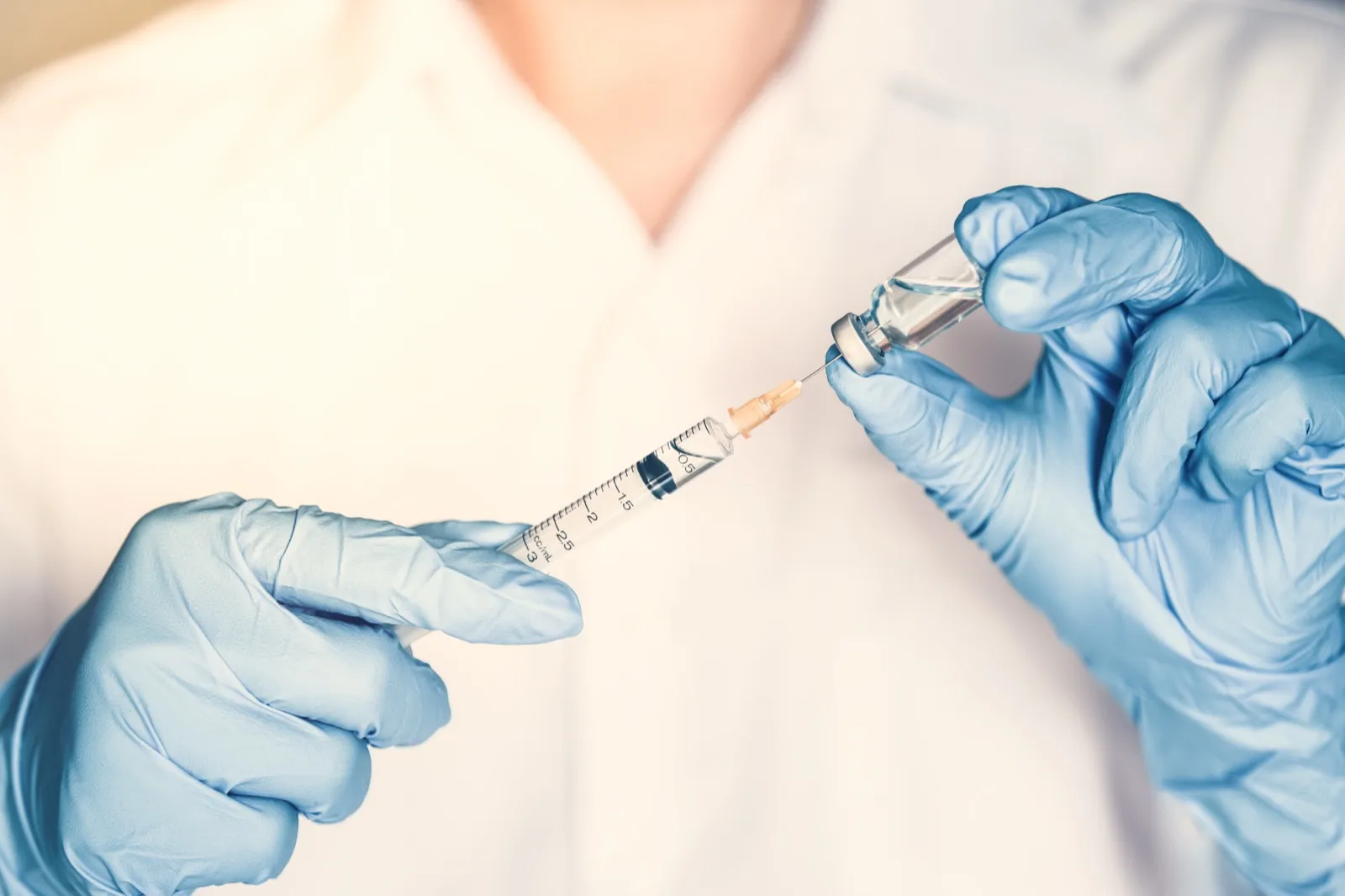
The medication is administered as a once-weekly subcutaneous injection and is currently in phase 3 clinical trials, with FDA approval potentially on the horizon pending trial outcomes.
How Retatrutide Works: The Triple Pathway Mechanism
Understanding retatrutide requires understanding the three hormone pathways it activates and how they work together to produce metabolic changes.
GLP-1 Receptor Activation
GLP-1 (glucagon-like peptide-1) is an incretin hormone released by L-cells in the small intestine after eating. It plays several critical roles:
- Appetite suppression — GLP-1 acts on the hypothalamus and brainstem to reduce hunger signals and increase feelings of fullness. Research published in Diabetes has shown that GLP-1 receptor activation in the central nervous system directly reduces food intake (Turton et al., 1996)
- Slowed gastric emptying — GLP-1 delays how quickly food moves from the stomach into the small intestine, prolonging satiety after meals
- Enhanced insulin secretion — GLP-1 stimulates glucose-dependent insulin release from pancreatic beta cells, helping regulate blood sugar without causing hypoglycemia
- Glucagon suppression — Paradoxically, while retatrutide also activates the glucagon receptor directly, GLP-1 pathway activation suppresses inappropriate glucagon release after meals, helping stabilize postprandial blood sugar
This is the same pathway that semaglutide targets, and it accounts for much of the appetite suppression that weight loss medications produce.
GIP Receptor Activation
GIP (glucose-dependent insulinotropic polypeptide) is another incretin hormone, released by K-cells in the upper small intestine. Its role in weight management is more complex and was historically underappreciated:
- Insulin sensitization — GIP enhances the insulin response to glucose, improving the body’s ability to manage blood sugar efficiently
- Fat tissue modulation — GIP receptors are expressed on adipocytes (fat cells), and emerging research suggests GIP signaling may influence how fat is stored and metabolized. A study in Cell Metabolism demonstrated that GIP receptor activation in adipose tissue can promote fat oxidation under certain conditions (Samms et al., 2020)
- Synergy with GLP-1 — When GIP and GLP-1 receptors are activated together, the combined effect on appetite suppression and insulin sensitivity exceeds what either achieves alone. This synergistic effect is likely why tirzepatide (a dual GIP/GLP-1 agonist) outperforms semaglutide (GLP-1 only) in clinical trials
- Neuroprotective potential — Preclinical research suggests GIP receptor activation may have protective effects on brain neurons, though this requires further human study
Glucagon Receptor Activation: Retatrutide’s Unique Advantage
The glucagon receptor is what sets retatrutide apart from every other weight loss medication currently available or in late-stage development. Glucagon is a hormone produced by alpha cells in the pancreas, and it has effects that are essentially opposite to insulin in terms of blood sugar regulation. However, its role in energy expenditure makes it a powerful tool for weight management:
- Increased resting energy expenditure — Glucagon receptor activation raises the body’s basal metabolic rate, meaning you burn more calories at rest. A study published in The Journal of Clinical Investigation demonstrated that glucagon infusion increases energy expenditure by 100–200 calories per day in humans (Nair, 1987)
- Enhanced hepatic fat oxidation — Glucagon stimulates the liver to break down stored fat (lipids) and convert them into energy through a process called beta-oxidation. This is particularly relevant for individuals with non-alcoholic fatty liver disease (NAFLD), a common comorbidity of obesity
- Thermogenesis — Glucagon may activate brown adipose tissue, which generates heat by burning calories. Research in Cell Reports has shown that glucagon receptor signaling promotes thermogenic gene expression in fat tissue (Habegger et al., 2013)
- Reduced hepatic lipid accumulation — By promoting fat breakdown in the liver, glucagon receptor activation helps reduce liver fat content — a finding observed in retatrutide clinical trials
The addition of glucagon receptor activation means retatrutide does not rely solely on appetite suppression and reduced caloric intake. It actively increases the number of calories your body burns, creating a dual mechanism: eating less and burning more.
The Synergistic Effect: Why Three Pathways Matter
The power of retatrutide lies not just in activating three individual pathways but in how these pathways interact synergistically:
- GLP-1 reduces appetite and slows digestion — you eat less
- GIP improves how your body handles the food you do eat — better insulin response and fat metabolism
- Glucagon increases how many calories your body burns at rest — higher energy expenditure
This creates a comprehensive metabolic shift that addresses obesity from multiple angles simultaneously. Prior medications relied primarily on reducing caloric intake through appetite suppression. Retatrutide adds genuine increases in caloric output, which may explain its superior clinical results.

Clinical Trial Results
Phase 2 Trial (Published in the New England Journal of Medicine, 2023)
The landmark phase 2 trial of retatrutide, published by Jastreboff et al. in the New England Journal of Medicine (2023), enrolled 338 adults with obesity (BMI 30 or higher) or overweight (BMI 27–30) with at least one weight-related condition. Participants were randomized to receive retatrutide at doses of 1, 4, 8, or 12 mg weekly, or placebo, for 48 weeks.
Key findings:
- 12 mg dose: Average weight loss of 24.2% of body weight (approximately 58 lbs for a 240 lb individual)
- 8 mg dose: Average weight loss of 22.8%
- 4 mg dose: Average weight loss of 17.0%
- Placebo: Average weight loss of 2.1%
- Over 90% of participants receiving the 8 mg or 12 mg dose lost at least 10% of body weight
- Over 75% of participants at the highest dose lost at least 20% of body weight
- Significant improvements in waist circumference, blood pressure, and lipid profiles were observed across dose groups
Phase 2 Trial in Type 2 Diabetes
A separate phase 2 trial evaluated retatrutide in adults with type 2 diabetes and obesity (Rosenstock et al., Lancet, 2023). Results showed:
- HbA1c reduction of up to 2.02% at the 12 mg dose
- Body weight reduction of up to 16.9% at 36 weeks
- Over 70% of participants achieved HbA1c below 5.7% (non-diabetic range)
- Significant reductions in liver fat content (measured by MRI), with some participants achieving complete resolution of hepatic steatosis
Liver Fat Reduction
One of the most clinically significant secondary findings from retatrutide trials has been its effect on liver fat. Non-alcoholic fatty liver disease affects an estimated 25% of the global population and is the leading cause of liver transplantation. In the phase 2 diabetes trial, retatrutide reduced liver fat by up to 82% at the 12 mg dose, with over 80% of participants achieving normalization of liver fat content (Hartman et al., presented at EASL 2023).
How Retatrutide Compares to Other Weight Loss Medications
| Feature | Semaglutide (Wegovy) | Tirzepatide (Zepbound) | Retatrutide |
|---|---|---|---|
| Receptors targeted | GLP-1 | GLP-1 + GIP | GLP-1 + GIP + Glucagon |
| Average weight loss | ~14.9% (STEP 1, 68 wks) | ~22.5% (SURMOUNT-1, 72 wks) | ~24.2% (Phase 2, 48 wks) |
| Administration | Weekly injection | Weekly injection | Weekly injection |
| FDA status | Approved | Approved | Phase 3 trials |
| Effect on metabolic rate | Minimal | Modest | Significant increase |
| Liver fat reduction | Moderate | Significant | Substantial (up to 82%) |
| Key distinction | Established track record | Dual-agonist mechanism | Triple-agonist with energy expenditure boost |
It is worth noting that retatrutide achieved its weight loss results in a shorter trial duration (48 weeks) compared to semaglutide (68 weeks) and tirzepatide (72 weeks), and the weight loss curve had not yet plateaued — meaning longer treatment periods may produce even greater results.
Timeline of Results: What to Expect
Weeks 1–4 (Initiation Phase)
- Appetite suppression becomes noticeable within 1–2 weeks
- Mild gastrointestinal side effects are common (nausea, bloating)
- Weight loss begins, typically 2–5 lbs during the first month
- Energy levels may fluctuate as the body adjusts
Weeks 4–12 (Dose Escalation)
- Dose increases at regular intervals based on tolerability
- Weight loss accelerates to approximately 1.5–3 lbs per week
- Hunger and food noise decrease significantly
- Blood sugar stabilization becomes apparent
- Clothing begins to fit noticeably differently
Weeks 12–24 (Active Weight Loss Phase)
- Weight loss continues at a steady pace
- Body composition changes become visible — reduced abdominal fat, improved waist-to-hip ratio
- Metabolic markers improve (fasting glucose, triglycerides, cholesterol)
- Energy and physical endurance increase
- Side effects typically stabilize or resolve
Weeks 24–48 and Beyond
- Continued weight loss, though the rate may gradually decelerate
- Significant improvements in cardiovascular risk factors
- Enhanced liver health metrics
- Overall metabolic health transformation
Potential Side Effects
Clinical trial data shows that retatrutide’s side effect profile is similar to other incretin-based medications, with gastrointestinal effects being most common:
Common Side Effects
- Nausea — reported by 16–43% of participants (dose-dependent), most common during dose escalation
- Diarrhea — reported by 15–25%
- Vomiting — reported by 8–15%
- Constipation — reported by 6–12%
- Decreased appetite — common and often considered a therapeutic effect
- Abdominal discomfort — typically mild and transient
Less Common Effects
- Fatigue and dizziness during early treatment
- Injection site reactions (redness, mild swelling)
- Increased heart rate (small, clinically insignificant increases observed in trials)
Serious Risks (Rare)
- Pancreatitis (very rare in clinical trials)
- Gallbladder disease associated with rapid weight loss
- Potential thyroid concerns (GLP-1 receptor agonist class warning based on rodent studies)
Most side effects are transient and improve with time, particularly as the body adapts to each new dose level. Gradual dose titration — the standard clinical approach — significantly reduces the severity and frequency of adverse effects.
Who Is a Good Candidate for Retatrutide?
Based on current clinical trial data and the medication’s mechanism of action, retatrutide may be particularly beneficial for:
- Individuals with significant obesity (BMI 30+) who need substantial weight loss
- People with type 2 diabetes seeking both glycemic control and weight reduction
- Patients with non-alcoholic fatty liver disease — the liver fat reduction data is among the most impressive for any medication
- Those who have plateaued on semaglutide or tirzepatide — the additional glucagon pathway may overcome metabolic adaptation
- Individuals with insulin resistance or metabolic syndrome — the comprehensive metabolic effects address multiple aspects of metabolic dysfunction
Retatrutide may not be appropriate for:
- Individuals with a history of medullary thyroid carcinoma or MEN2 syndrome
- Patients with severe gastrointestinal disorders
- Pregnant or breastfeeding women
- Those with a history of pancreatitis
- Individuals with certain endocrine or thyroid conditions
A comprehensive medical evaluation including laboratory testing is essential before starting any weight loss medication. Our peptide therapy programs include thorough screening to ensure you are a safe candidate.
Frequently Asked Questions
Is retatrutide FDA-approved?
As of early 2026, retatrutide is not yet FDA-approved. It is currently in phase 3 clinical trials (the TRIUMPH program). If results are consistent with phase 2 data, an FDA submission could follow, with potential approval expected in 2026 or 2027. Some patients access retatrutide through compounding pharmacies under physician supervision.
Can retatrutide be combined with other medications?
Clinical trial protocols studied retatrutide as a standalone treatment. Combination use with other GLP-1 agonists or weight loss medications has not been studied and is not recommended without physician guidance. However, retatrutide can generally be used alongside medications for blood pressure, cholesterol, and other conditions.
What diet should I follow on retatrutide?
A high-protein diet (0.7–1.0 grams per pound of ideal body weight) is recommended to preserve lean muscle mass during rapid weight loss. Adequate hydration, fiber intake, and regular meals help manage gastrointestinal side effects. Your physician or dietitian can provide individualized nutritional guidance.
Personalized Treatment at Rewind Anti-Aging of Miami
At Rewind Anti-Aging of Miami, we stay at the forefront of metabolic medicine, offering our patients access to the most advanced weight management therapies available. Our comprehensive approach includes thorough medical evaluation and laboratory testing, personalized treatment protocols with careful dose titration, nutritional guidance and exercise programming to optimize results and preserve muscle mass, regular progress monitoring with lab work and body composition assessments, and ongoing physician oversight throughout your treatment journey.
Whether retatrutide, tirzepatide, semaglutide, or a combination approach is right for you depends on your individual health profile, goals, and medical history. Book a consultation with our team to discuss which treatment pathway aligns best with your needs.
Related Articles
- Retatrutide Dosage: A Complete Guide to Titration
- Retatrutide vs Semaglutide: Comparing Weight Loss Results
- Retatrutide Weight Loss: What to Know
Interested in next-generation weight loss therapy? Rewind Anti-Aging of Miami offers personalized medical weight loss therapy with access to the latest peptide therapy options. Schedule a consultation →
Disclaimer: This article is for informational purposes only and does not constitute medical advice. Retatrutide is an investigational medication not yet approved by the FDA. Weight loss medications should only be used under the supervision of a qualified healthcare provider. Individual results vary. Always consult with your physician before starting any new treatment.
Frequently Asked Questions
How quickly does retatrutide start working?
Most people notice reduced appetite within one to two weeks of starting retatrutide. Measurable weight loss typically becomes apparent by the end of the first month. In clinical trials, participants achieved an average of 8.5 percent body weight loss by week 24 at the 8 mg dose, with results accelerating through week 48.
How does retatrutide work in the body?
Retatrutide simultaneously activates three hormone receptors: GLP-1, GIP, and glucagon. GLP-1 suppresses appetite and slows digestion. GIP improves insulin sensitivity and may influence fat storage. Glucagon increases resting metabolic rate and promotes the breakdown of stored fat for energy. This triple mechanism addresses weight from multiple angles.
What does retatrutide feel like?
Users commonly report a noticeable reduction in hunger, decreased food noise or constant thoughts about eating, and improved energy levels as metabolism shifts. During early treatment, some experience mild nausea, bloating, or digestive changes that generally resolve within the first few weeks as the body adapts to the medication.
Does retatrutide reduce inflammation?
Preliminary clinical data suggests retatrutide may reduce systemic inflammation markers, particularly in individuals with metabolic syndrome or insulin resistance. The weight loss and improved insulin sensitivity it produces are well-established drivers of inflammation reduction. However, more long-term studies are needed.
How does retatrutide compare to tirzepatide?
Retatrutide adds a third receptor — glucagon — to the GIP and GLP-1 pathways that tirzepatide targets. This additional pathway increases calorie expenditure through enhanced fat breakdown. Phase 2 trial data showed retatrutide producing up to 24.2 percent body weight loss at 48 weeks, compared to approximately 22.5 percent for tirzepatide at 72 weeks in the SURMOUNT-1 trial.
How does retatrutide compare to semaglutide?
Semaglutide activates only the GLP-1 receptor, producing approximately 14.9 percent weight loss in the STEP 1 trial. Retatrutide adds GIP and glucagon receptor activation, resulting in substantially greater weight loss in clinical trials. Semaglutide has the advantage of longer clinical experience and full FDA approval.
More in peptides
TB-500 Therapy: What the Evidence Actually Shows
TB-500 therapy is promoted for injury recovery and tissue repair. Here is what thymosin beta-4 research supports, what it does not, and the safety caveats.
peptidesBPC-157 for Tissue Repair: What the Evidence Says
BPC-157 is a synthetic peptide studied for tissue repair and recovery. Here's what the (mostly preclinical) evidence shows, plus forms and safety caveats.
peptidesGHK-Cu (Copper Peptide): Skin, Hair, and Healing Evidence
A measured look at GHK-Cu, the naturally occurring copper peptide, and what early research suggests about its role in skin, hair, wound healing, and aging.
⚕ Medical Disclaimer
The information on this page is for educational purposes only and does not constitute medical advice, diagnosis, or treatment. All treatments at Rewind Anti-Aging of Miami are performed under the supervision of licensed medical professionals. Individual results may vary. Consult your physician before beginning any new treatment protocol.
Meet our clinical team →Not sure which treatment is right for you?
Take our free 2-minute assessment and get a personalized recommendation.
Areas We Serve in Miami & South Florida
Our clinic at 24 NW 29th Street is in Wynwood & Midtown, minutes from Edgewater and Brickell. We also care for patients across Coral Gables, Aventura, Key Biscayne, and Doral — plus the entire state of Florida via telehealth.
Take the Next Step
Our team at Rewind Anti-Aging in Miami is here to help you determine if peptide therapy is right for your goals.